An-nyeong-ha-se-yo! ("Hello" 👋🏼 in Korean) I am PhD candidate in the Industrial
Department
KAIST.
I design and build interactive systems that utilize various materials — plants, ice, soil,
thermochromic elements — to create expressive digital experiences.
My research lies at the intersection of HCI and Material-Driven Design, with a strong focus on multisensory play and inclusive experience. I study, design, and develop interactive systems that leverage the unique physical properties of unconventional materials — such as plants, ice, and thermochromic elements — to create expressive digital experiences. Recently, I have been exploring the integration of living materiality and ephemeral features into digital games to rethink interactivity and investigate how sensory-rich feedback can enhance user engagement and emotional resonance. While my research is closely related to game enthusiasts, exhibition audiences, and DHH communities, I am also interested in exploring the potential of generative AI and physical computing to build adaptive environments.
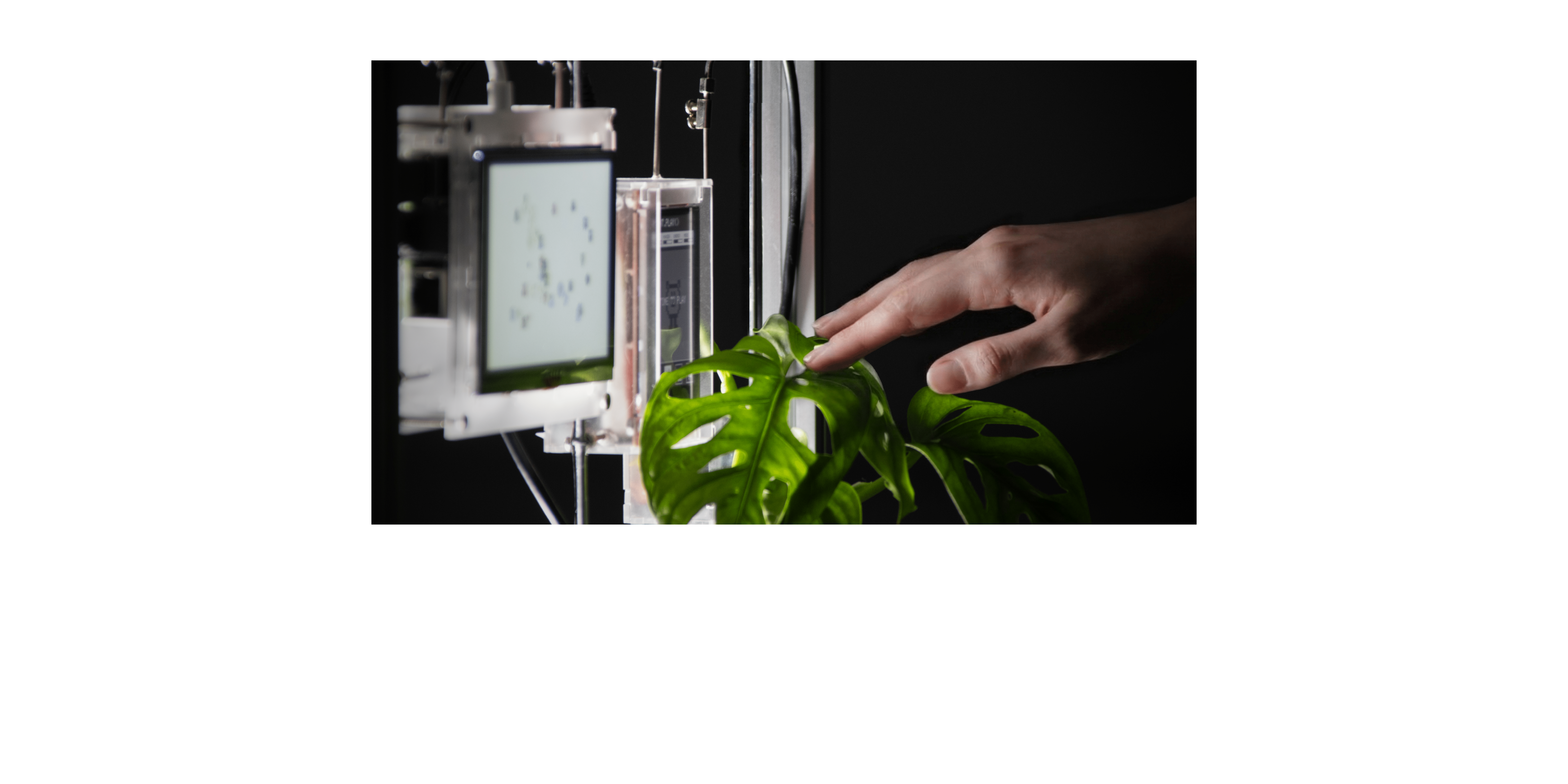


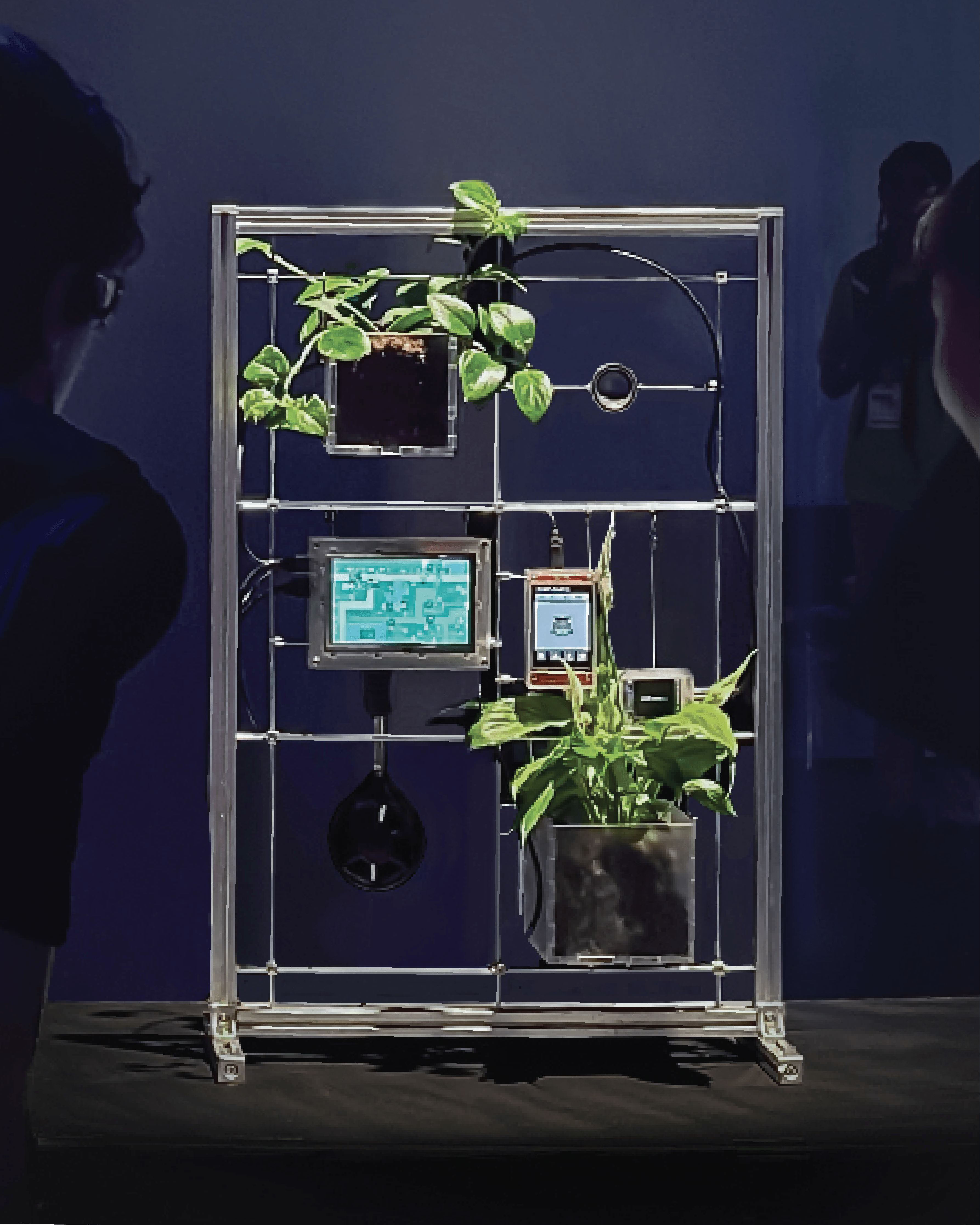
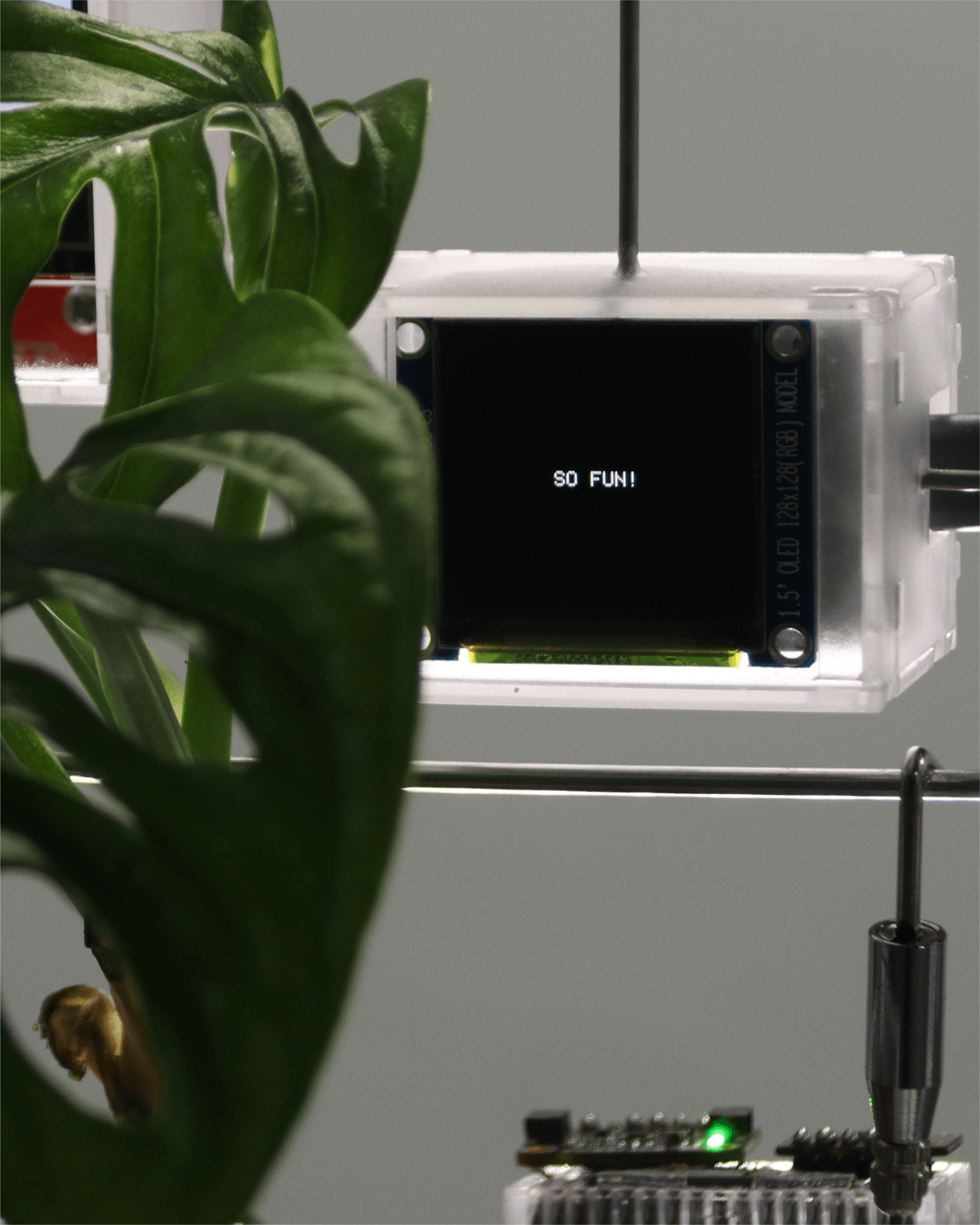
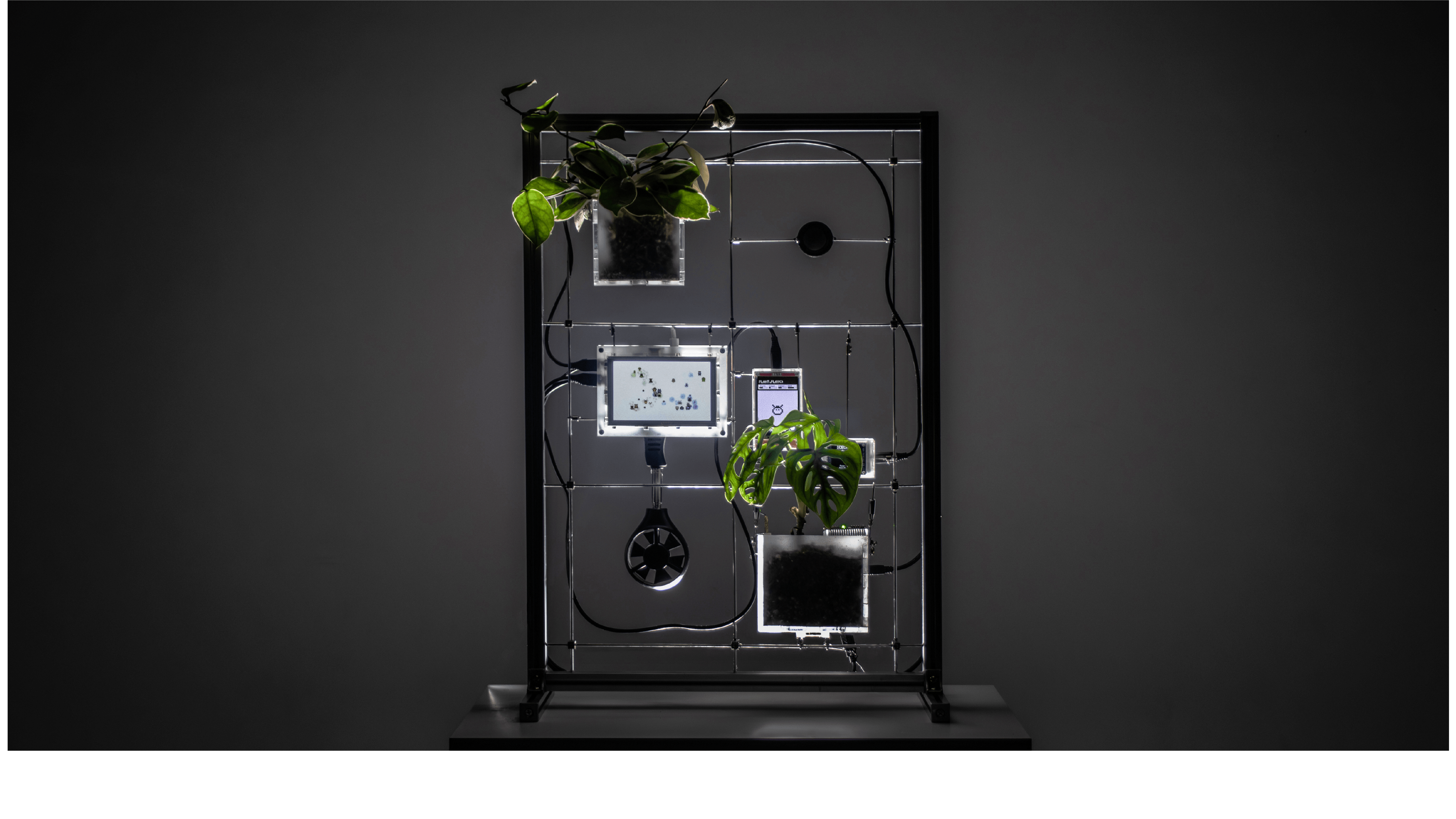
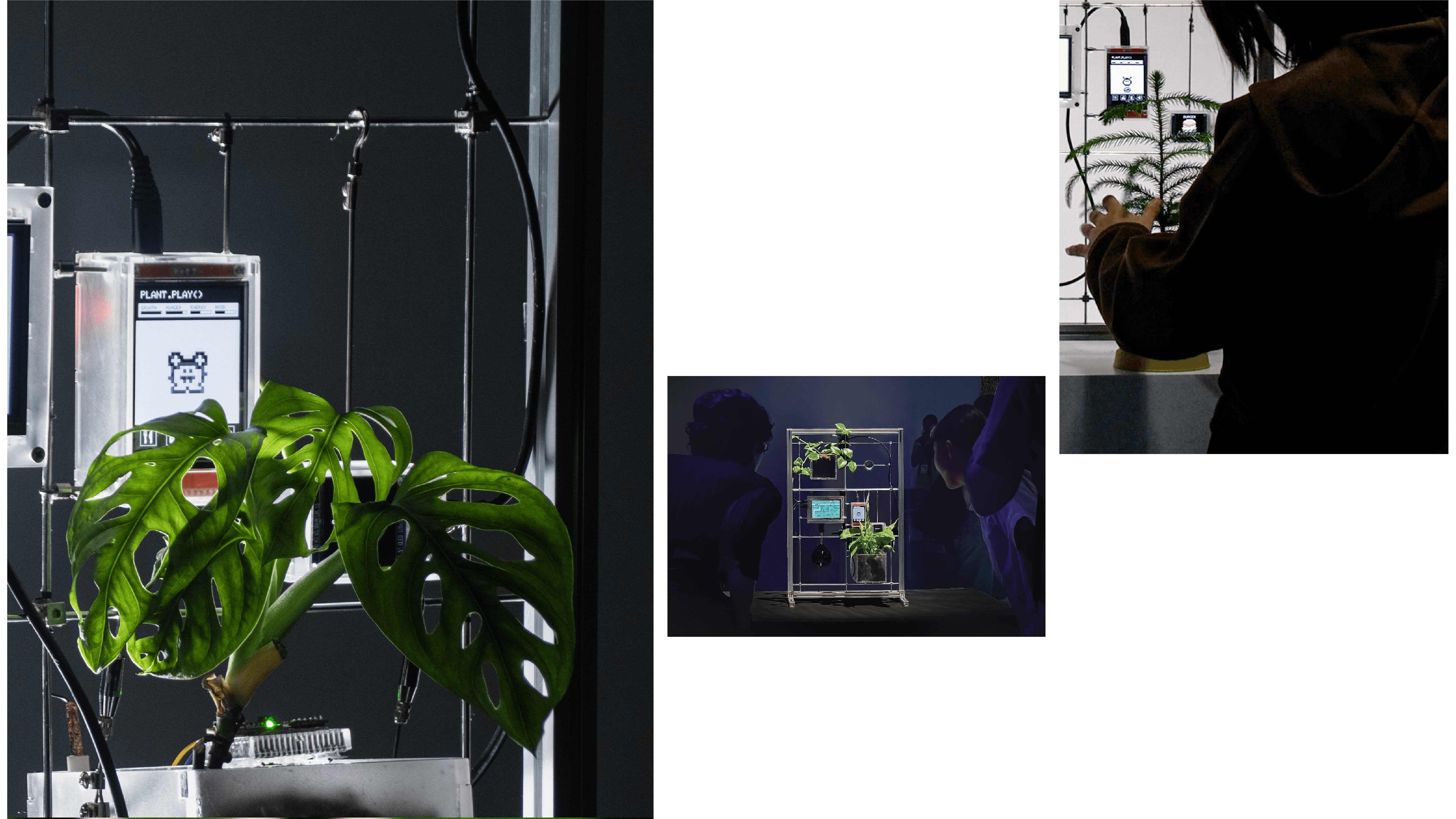
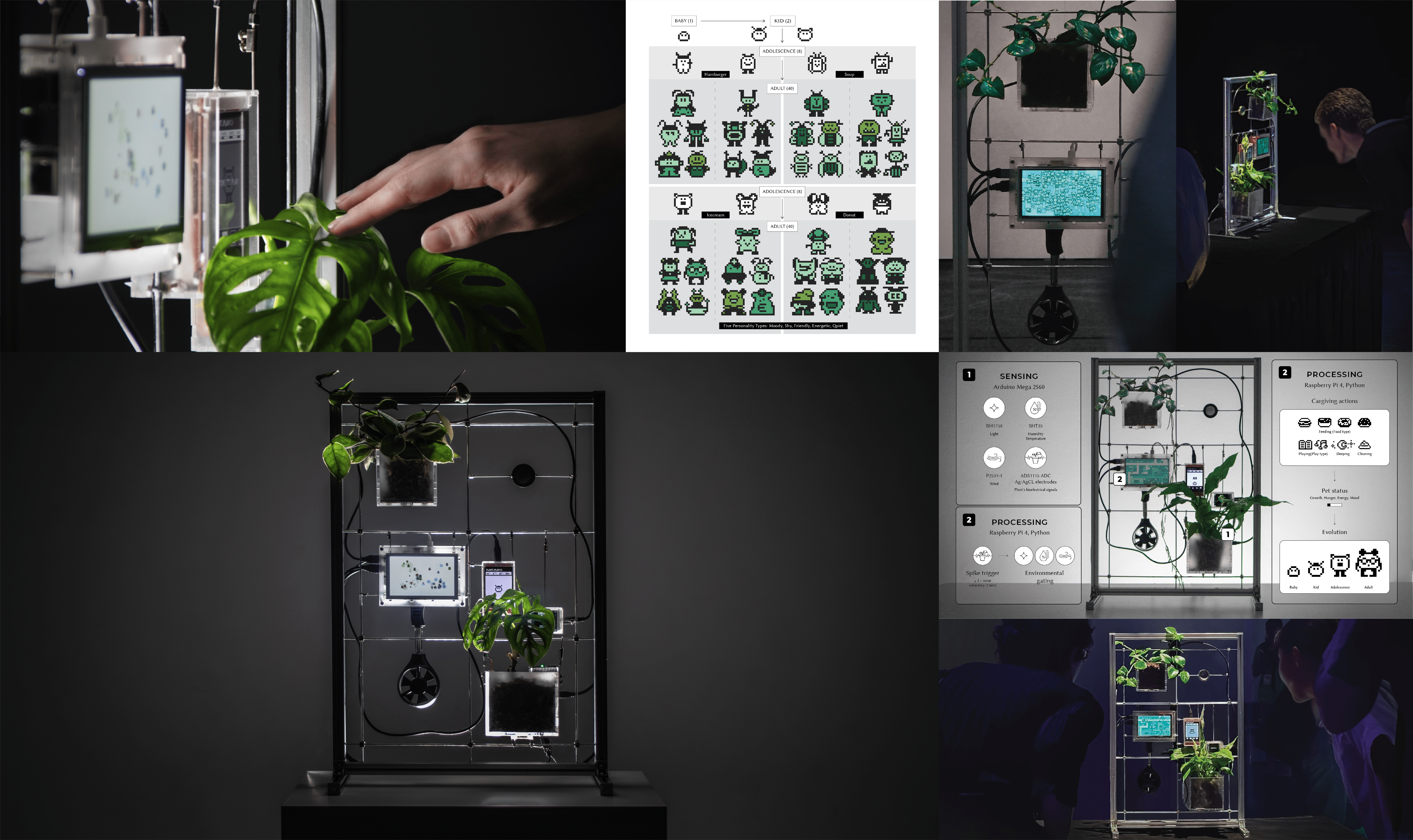
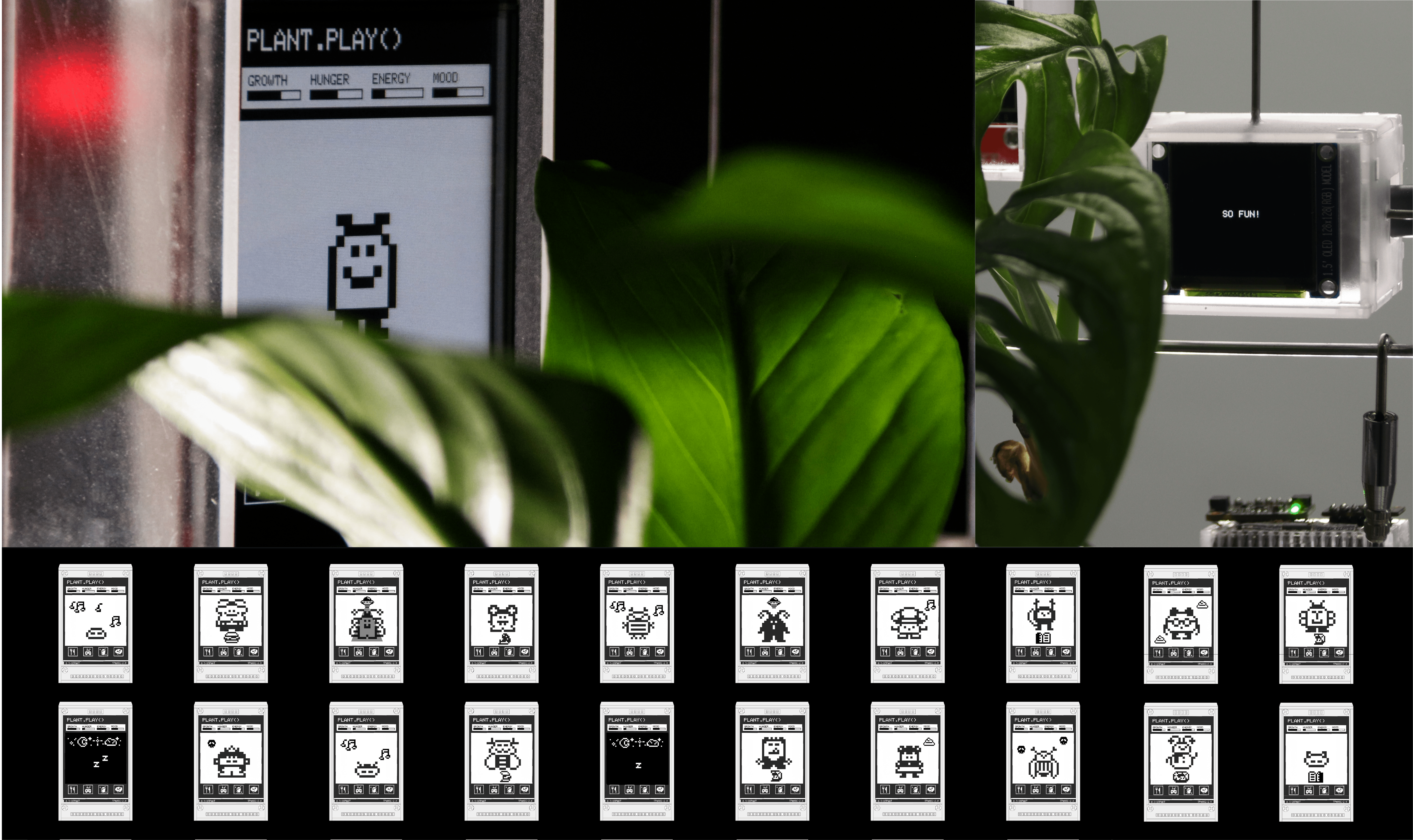
Plant.play() is a novel digital game system where a living plant acts as the sole player in a pet-simulation game, driving in-game actions through its bioelectrical signals, environmental data, and circadian rhythms, with humans engaging only as observers. An in-the-wild study revealed that visitors initially sought direct control but then shifted to interpreting the plant's slow, unpredictable, and impartial behaviors as meaningful gameplay, fostering curiosity and attentive observation. Participants formed emotional connections with both the plant and its virtual pet, leading to reflections on care, empathy, and their broader relationships with nonhuman beings, demonstrating how plant materiality can invite new forms of interactive engagement.
Full Paper Link 🌱
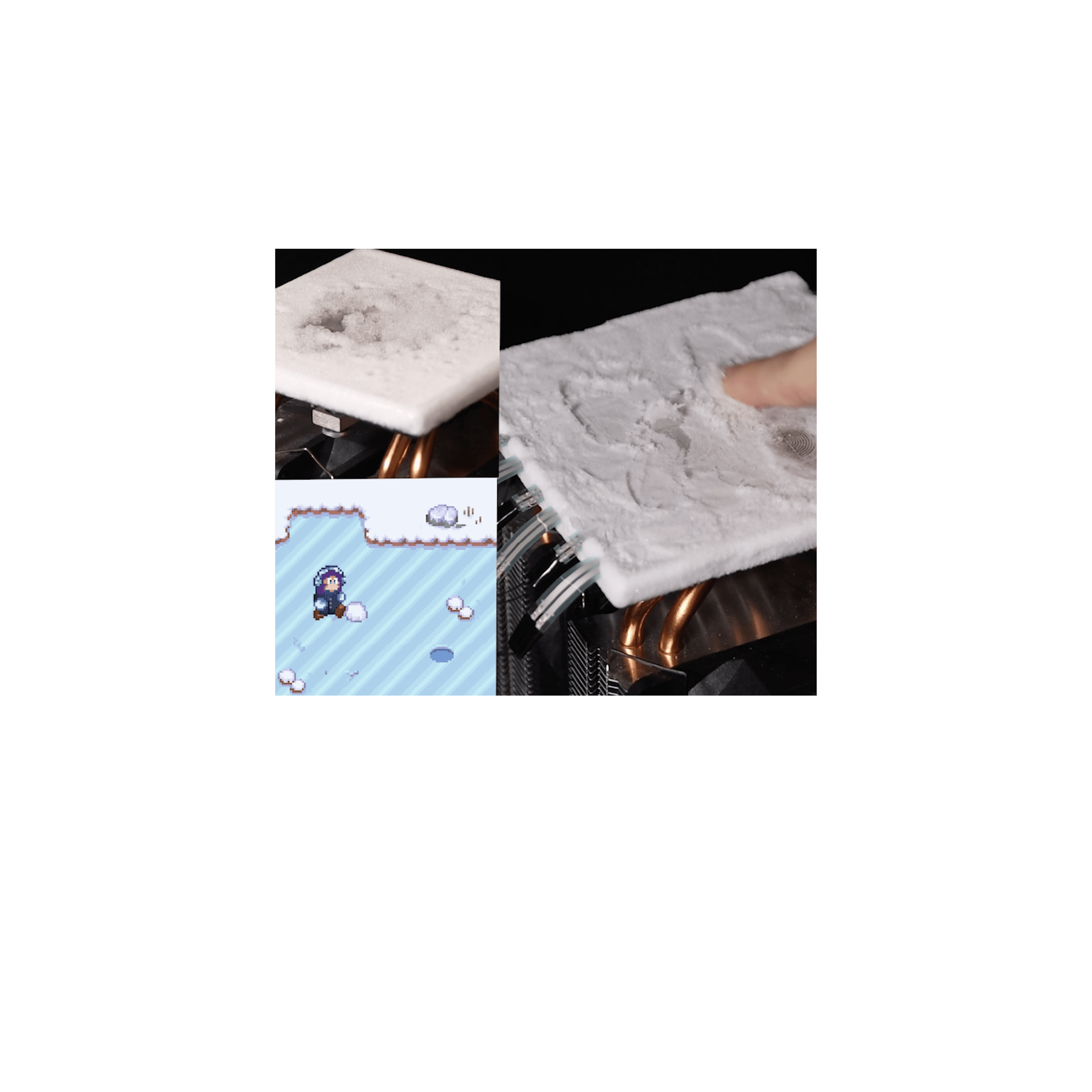
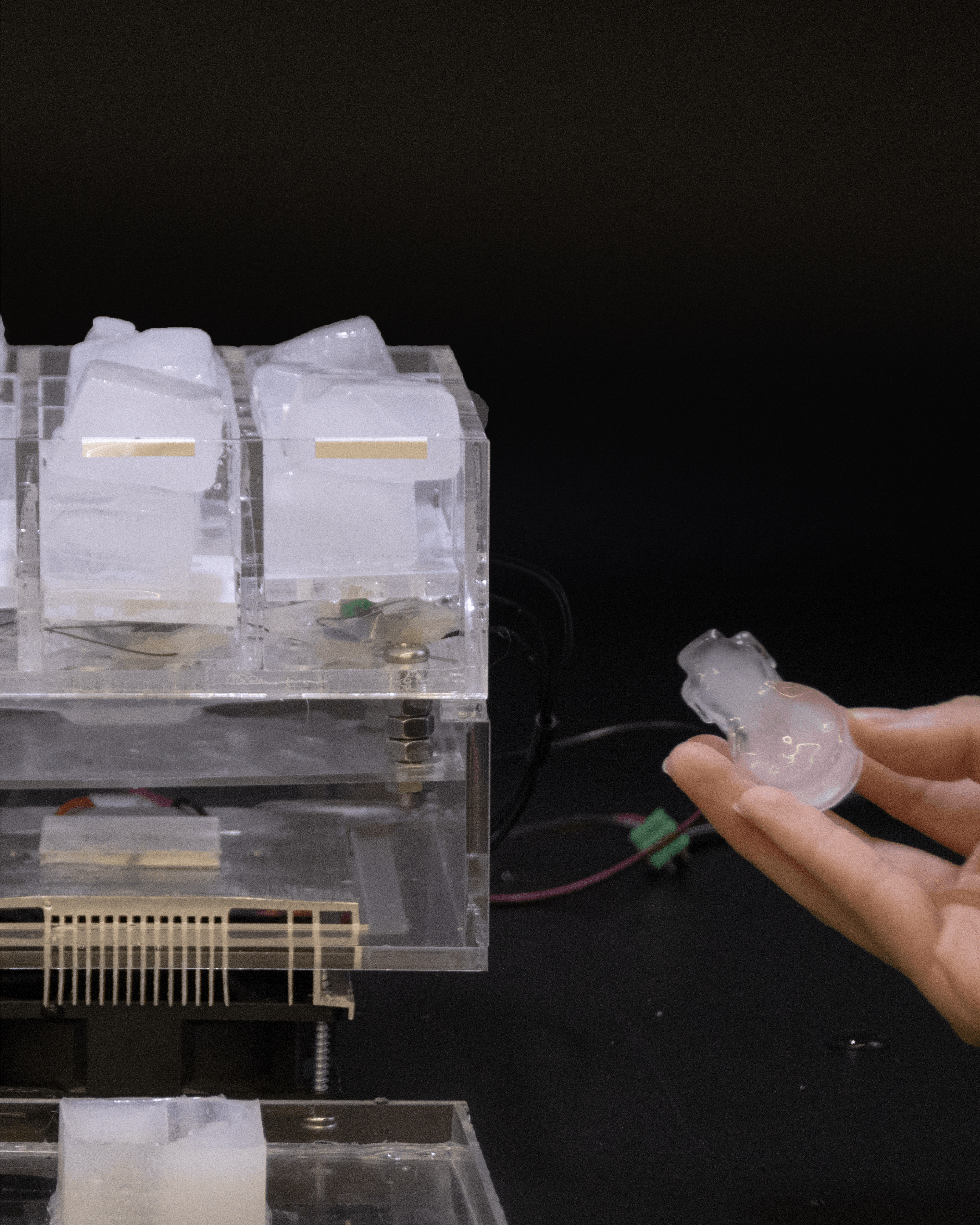
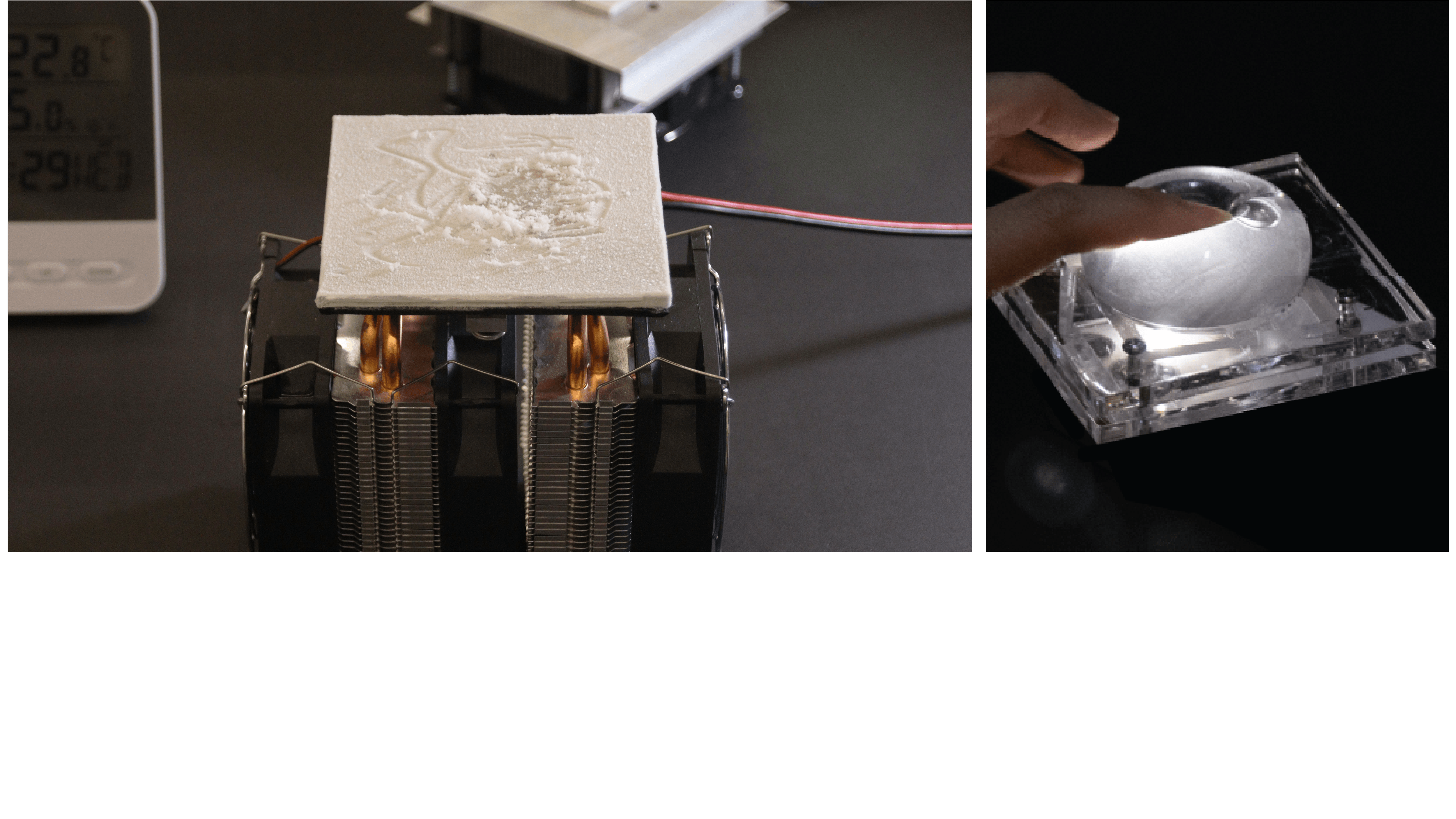
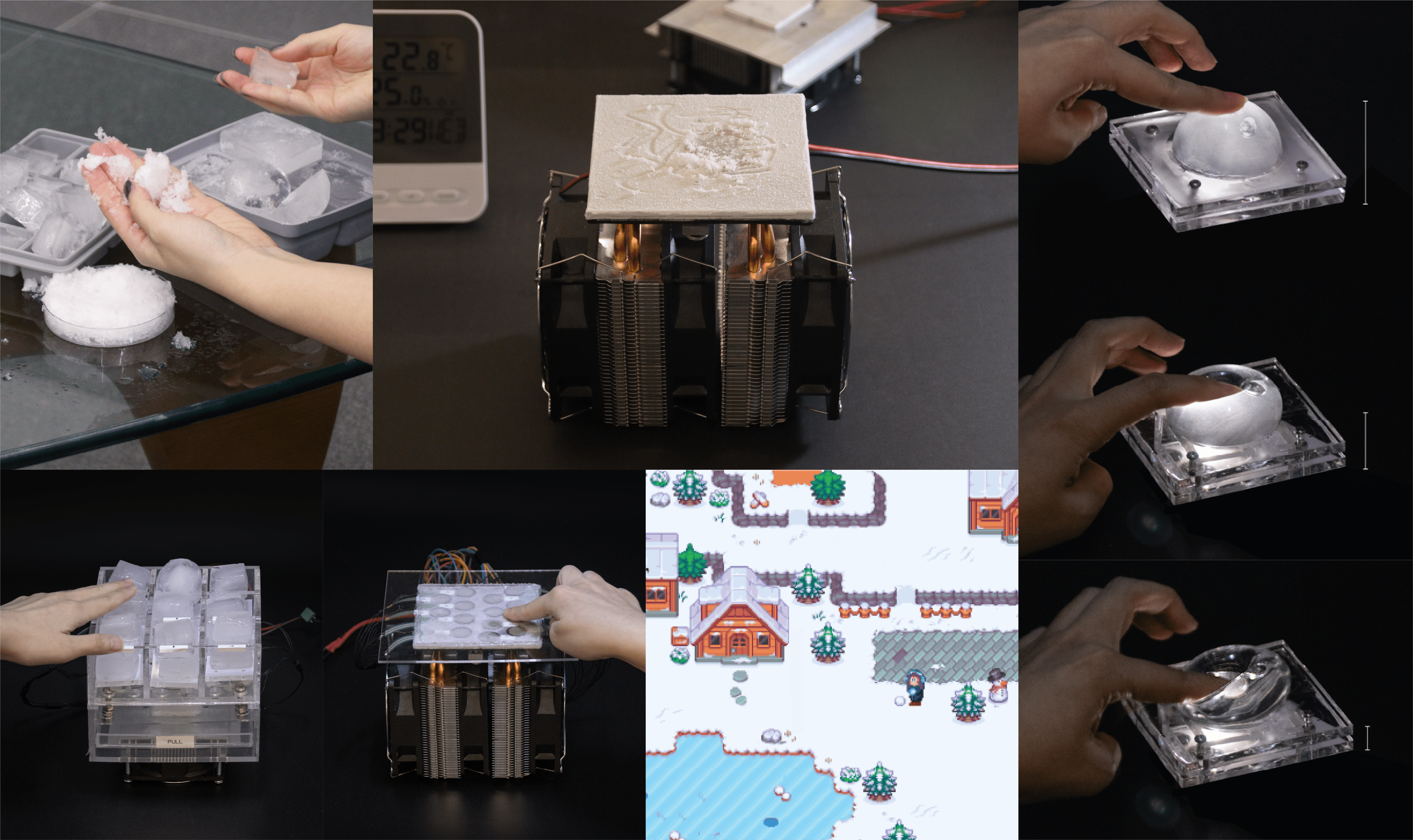
This research introduces "ICY Interfaces" (MeltPress, FrostPad, and IceSquish), a series of digital game controllers that leverage the ephemeral qualities of ice to create novel user experiences. Through material exploration, a co-creation workshop, and a user study, the authors demonstrate how ice's physical disappearance, dynamic sensory changes during melting, and inherent unpredictability profoundly influence gameplay, player engagement, and foster unique interactive challenges. The findings highlight that ice's ephemerality shapes time perception, builds player attachment, encourages social interaction, raises environmental awareness, and offers diverse sensory experiences that enhance immersion and evoke nostalgia in digital gaming.
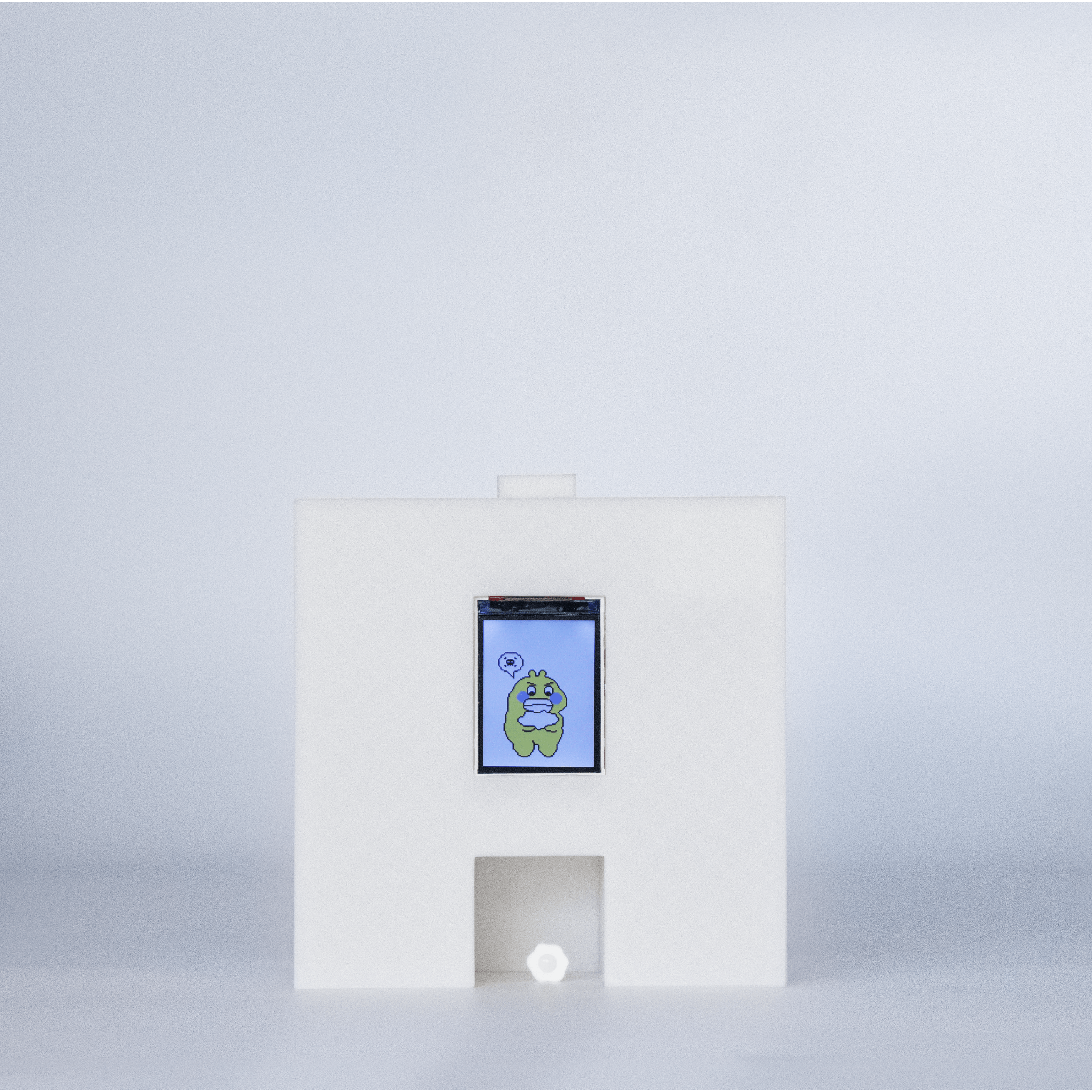
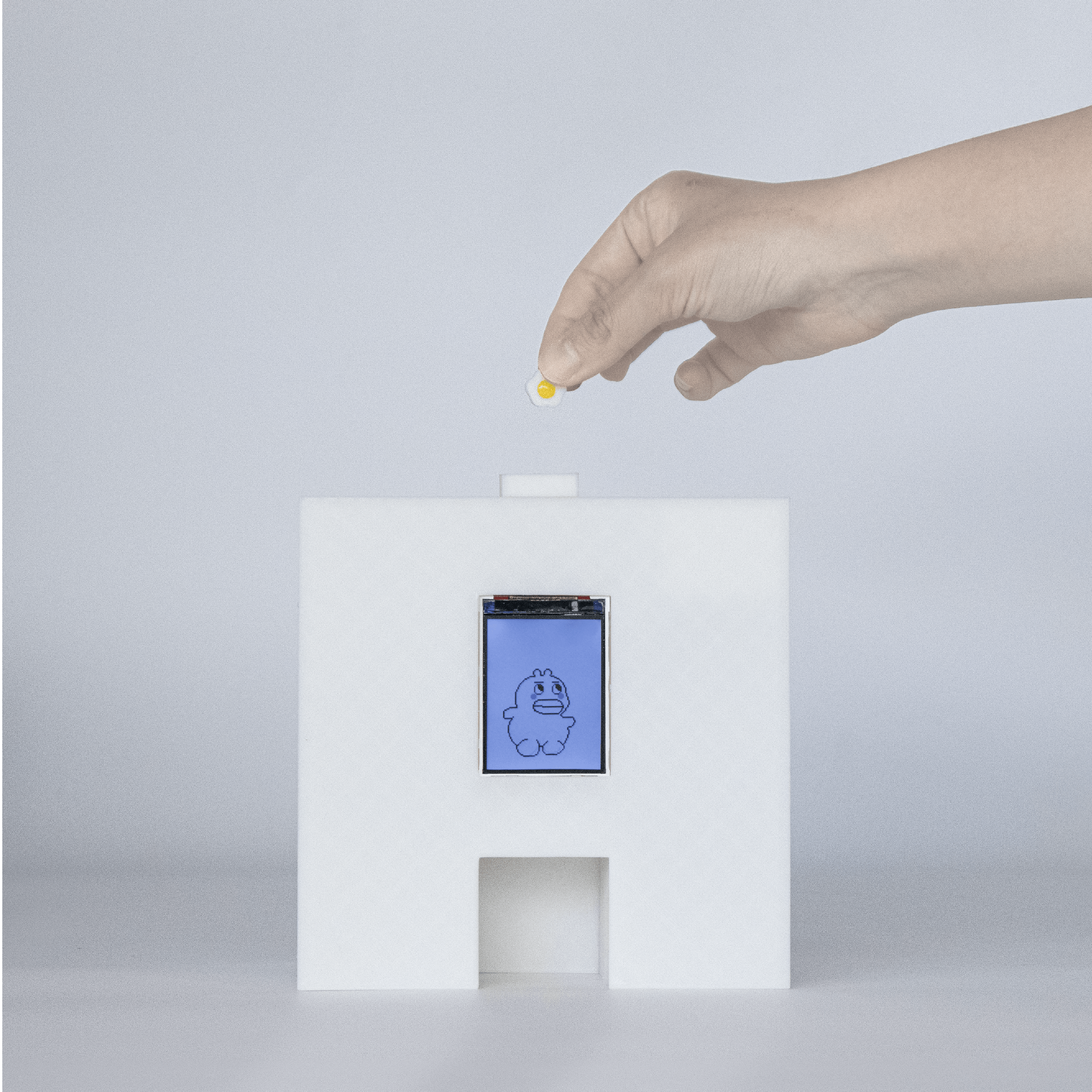
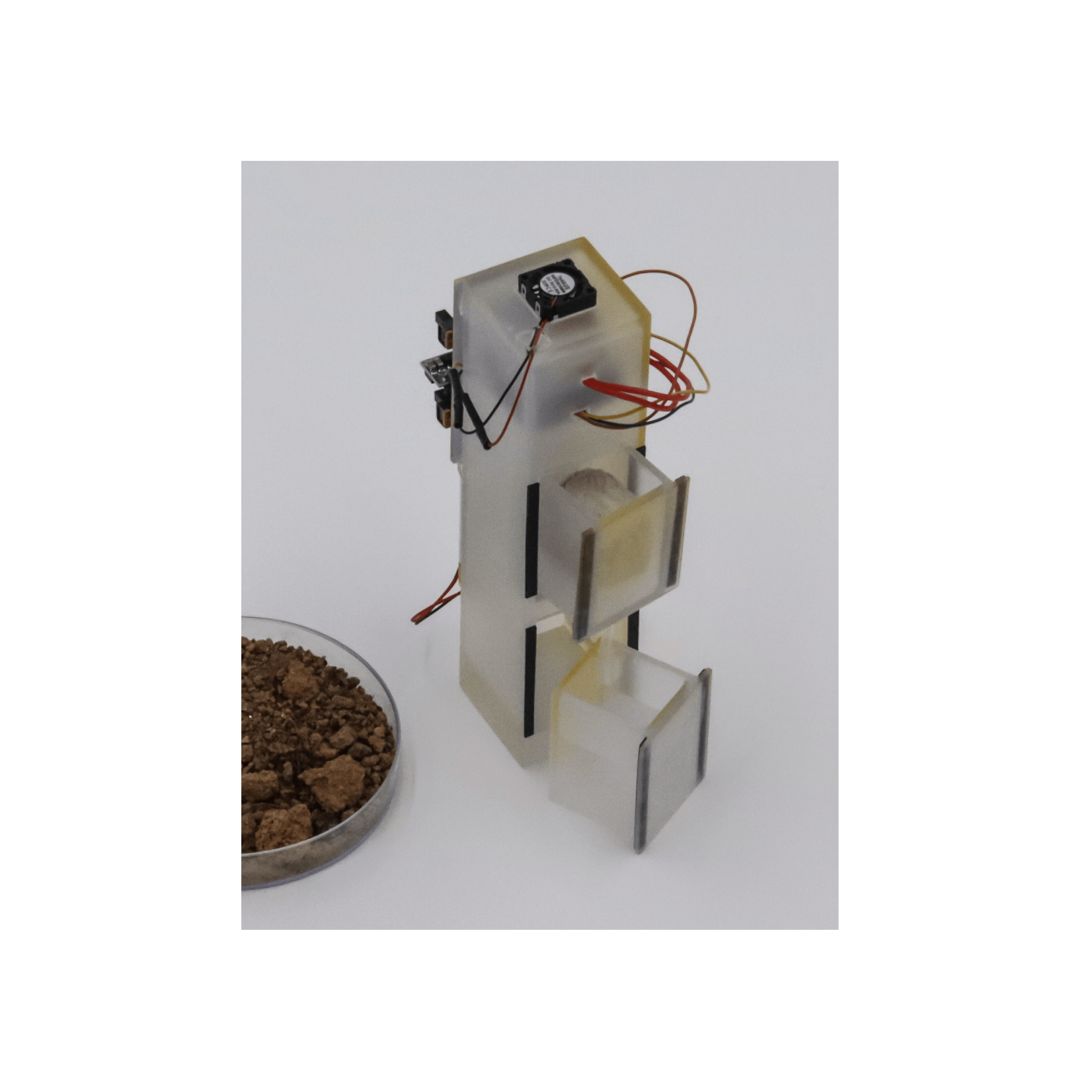
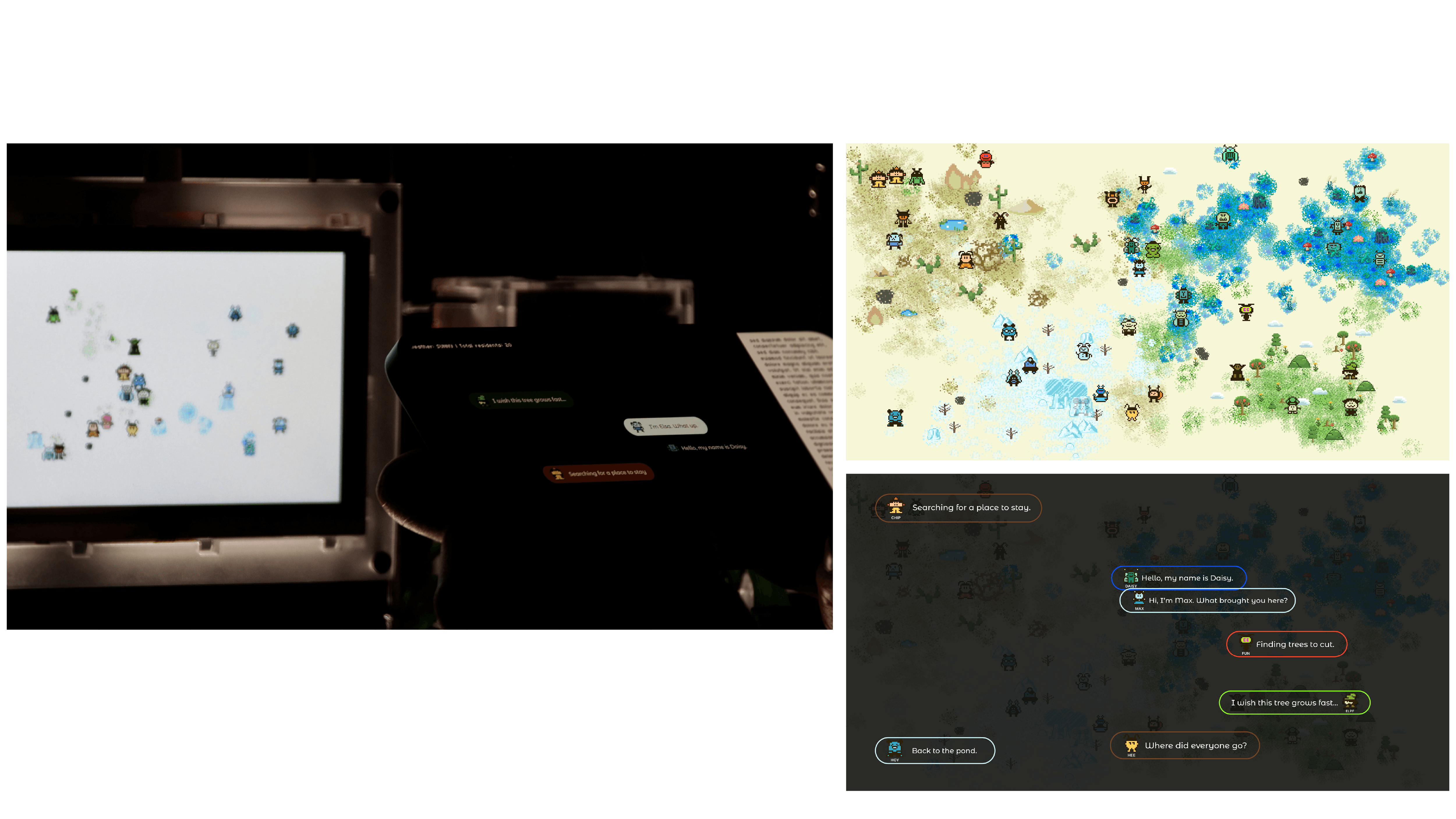
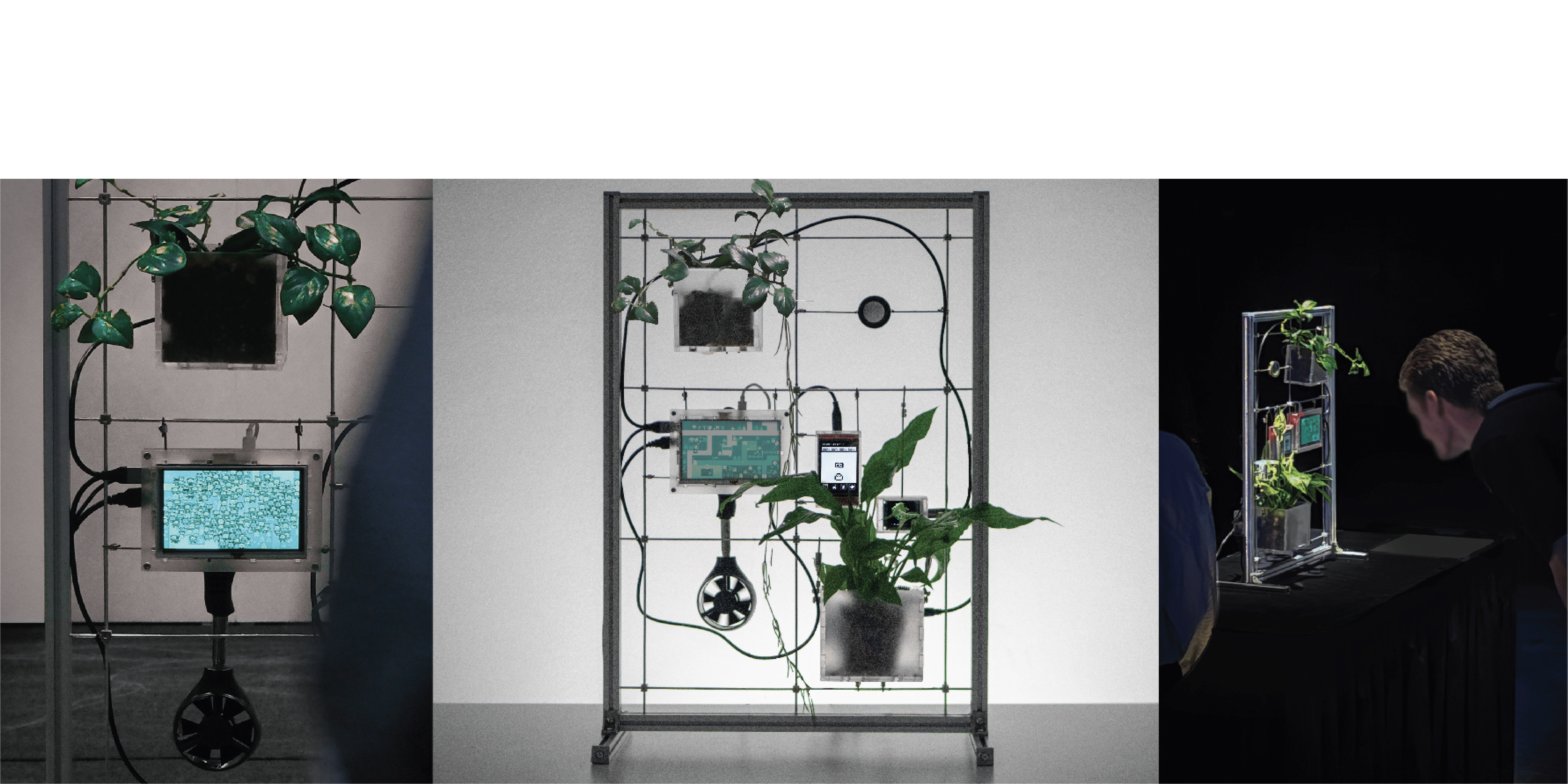
Plant.play() is an interactive installation reimagining human-plant-digital relationships by enabling a real plant to act as the primary player controlling a virtual pet simulation game. The system uses various sensors to translate the plant's physiological states and environmental interactions into game inputs, with an Arduino Mega and Raspberry Pi processing this data into in-game decisions for the pet. Through the plant's ongoing choices, the virtual pet's appearance and personality are uniquely shaped, promoting a posthumanist perspective by presenting plants as active agents capable of engaging with digital creations.
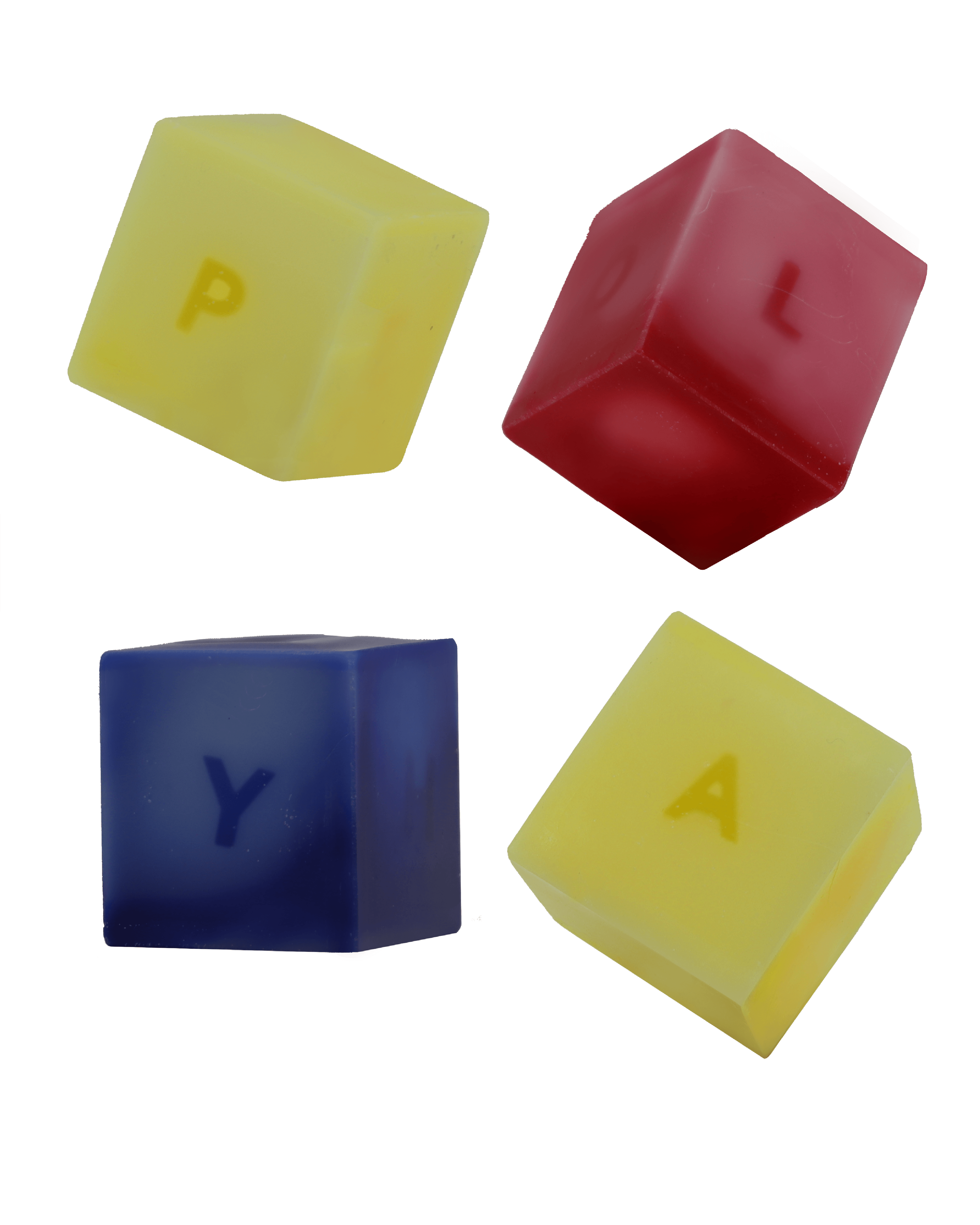
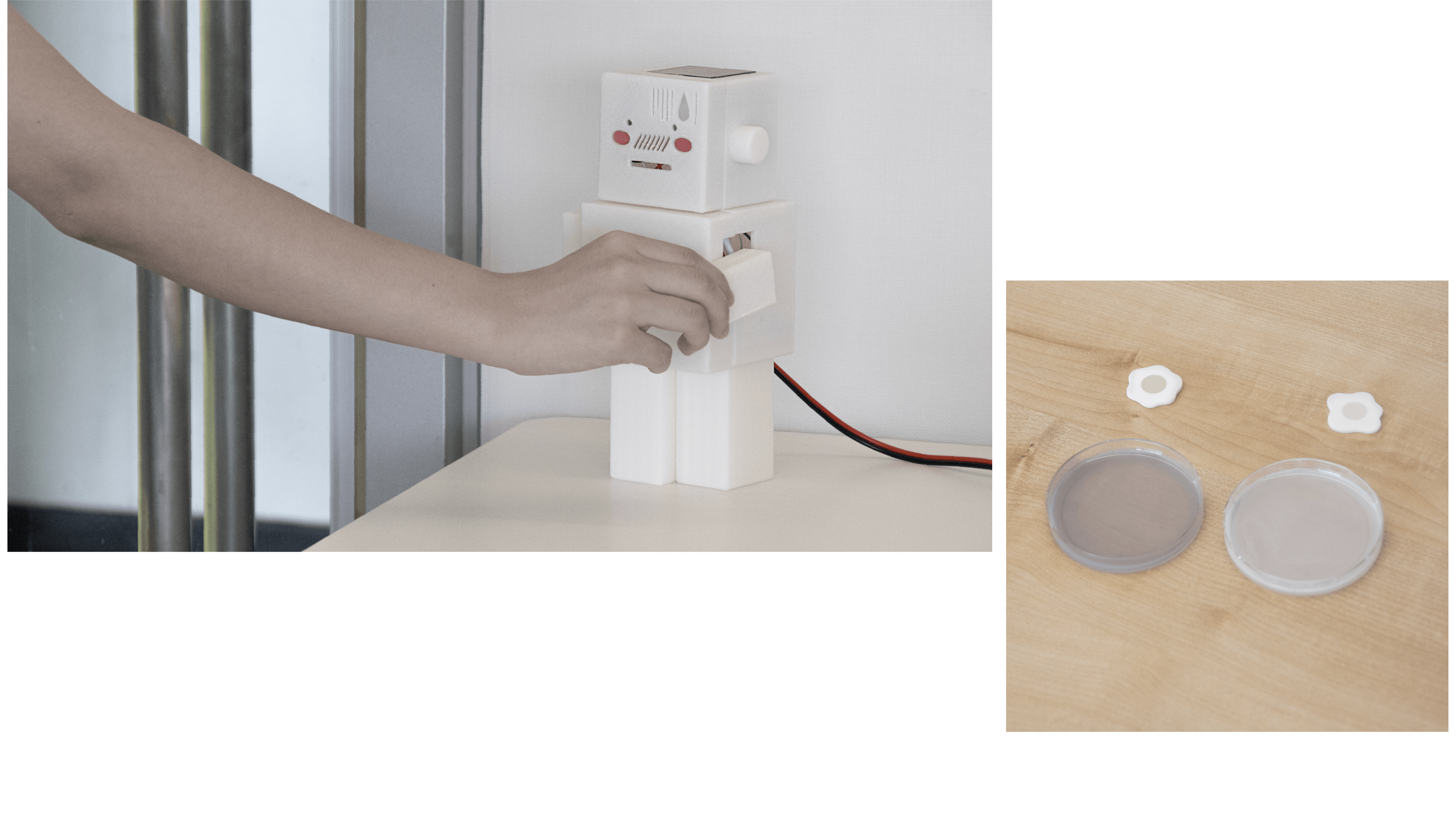
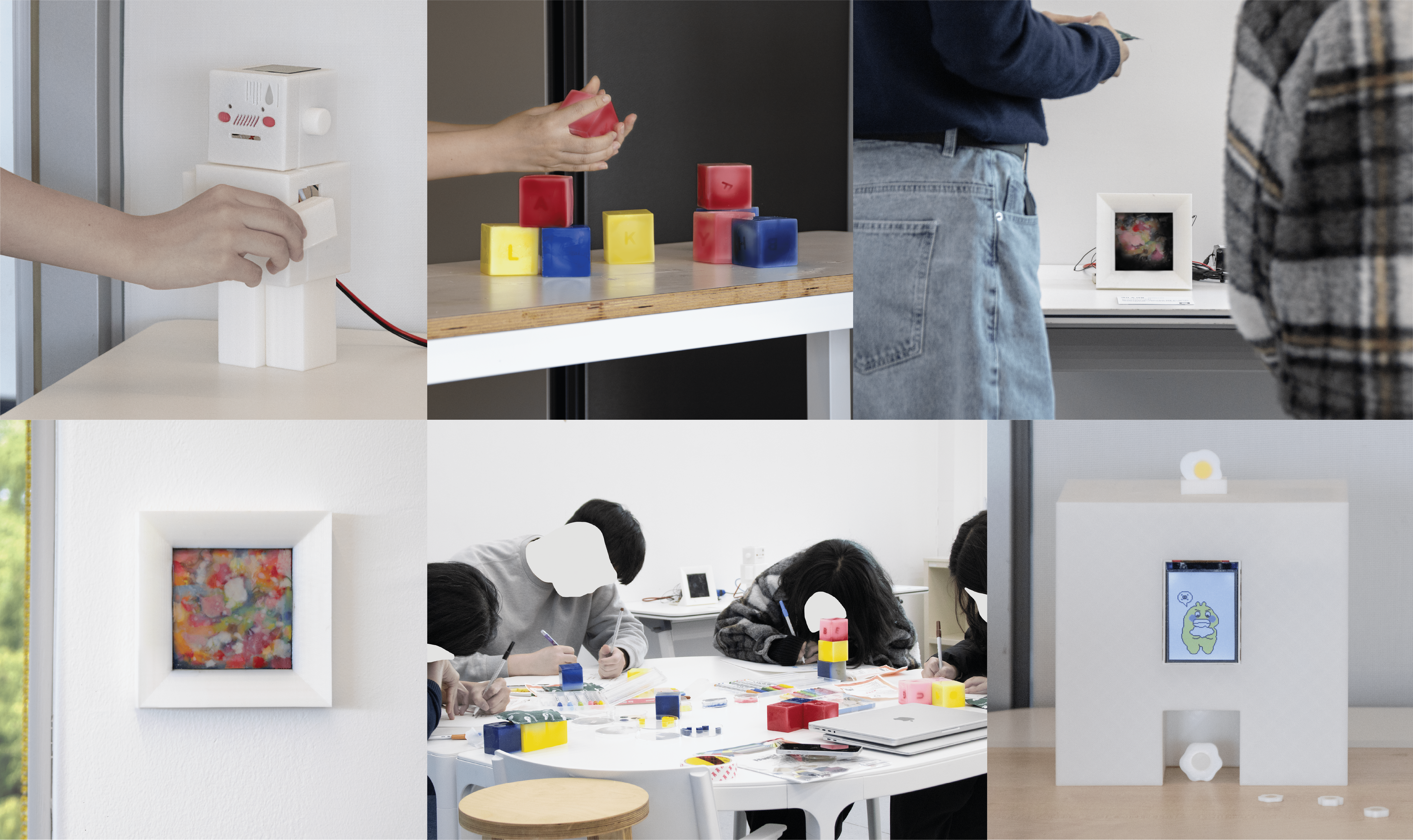
This paper explores the playful qualities of thermochromic materials through the creation and evaluation of four interactive projects. Evaluations using the PLEX framework and an ideation workshop identified physicality, color-dynamicity, and gradualness as key elements that evoke playfulness, particularly Captivation, Discovery, and Expression. The research provides new opportunities for designing playful interactions with thermochromic materials while also highlighting their practical constraints and diverse appeal.
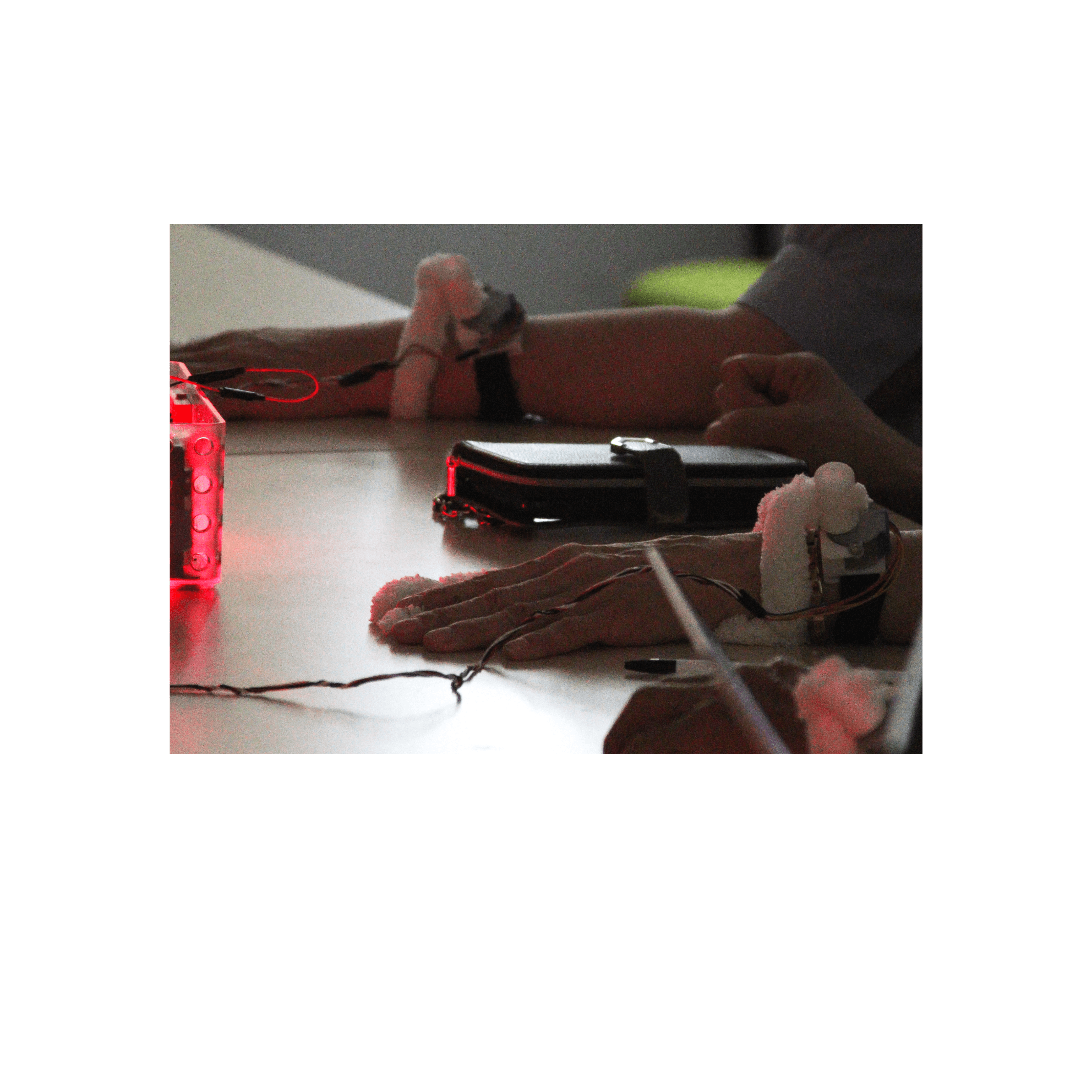
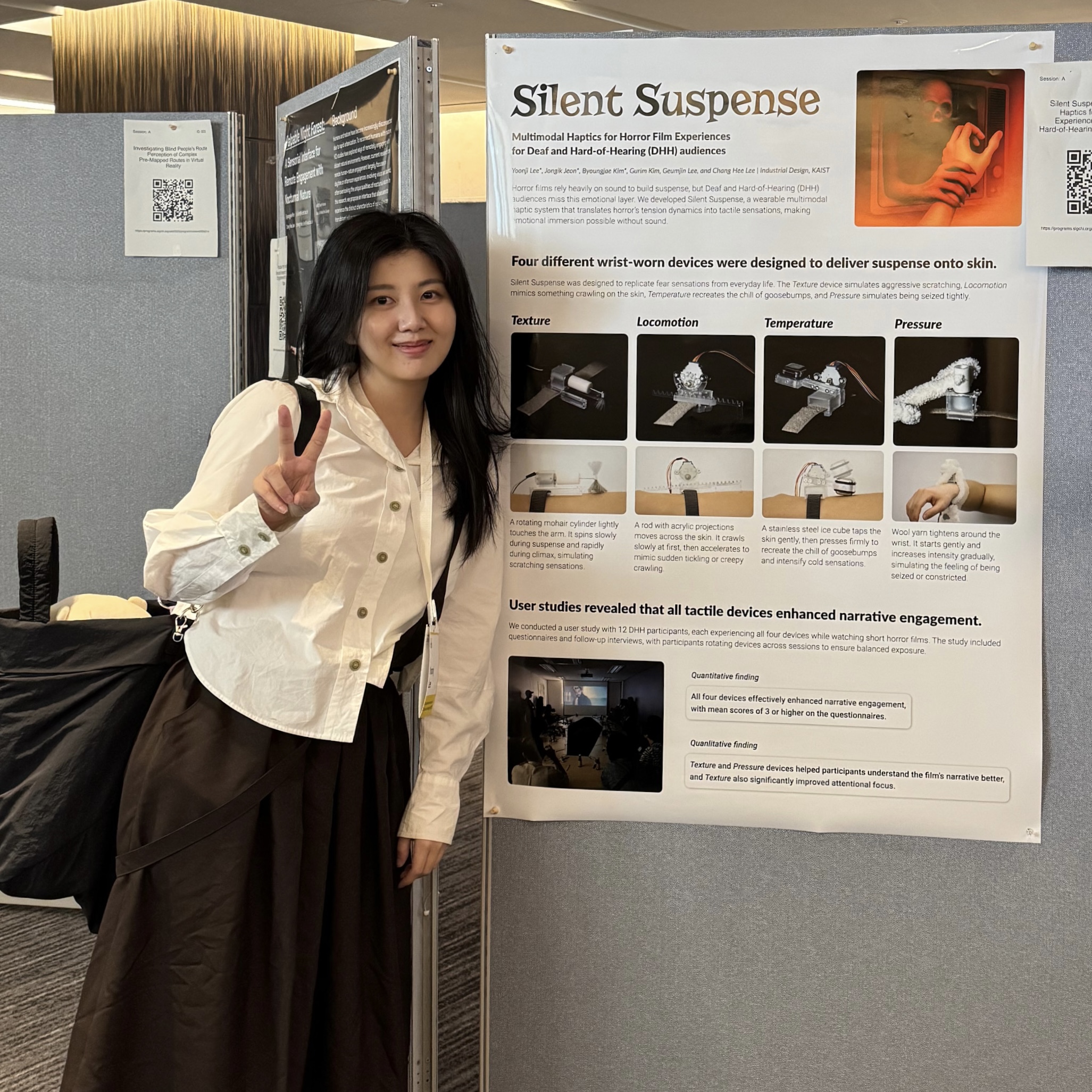
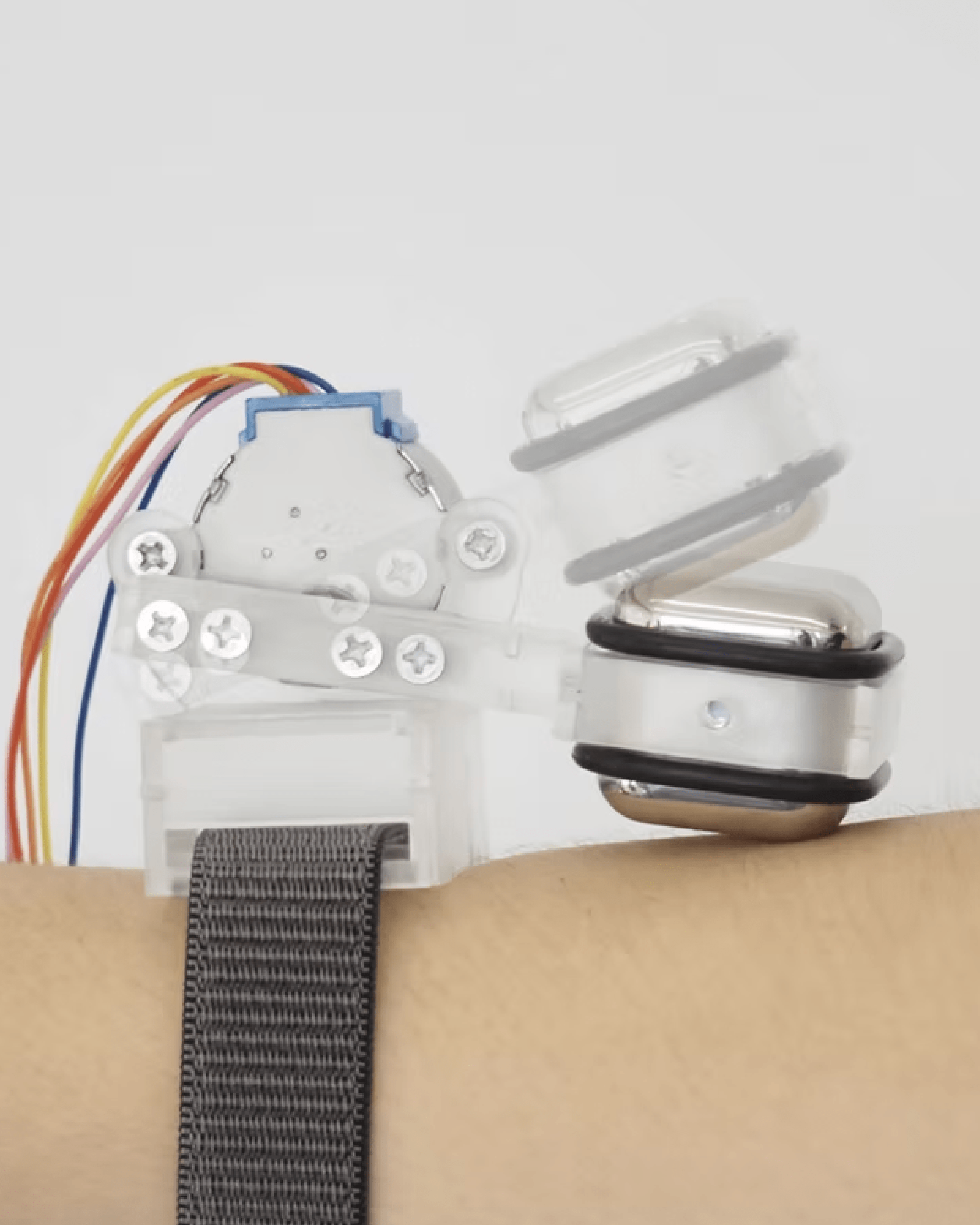
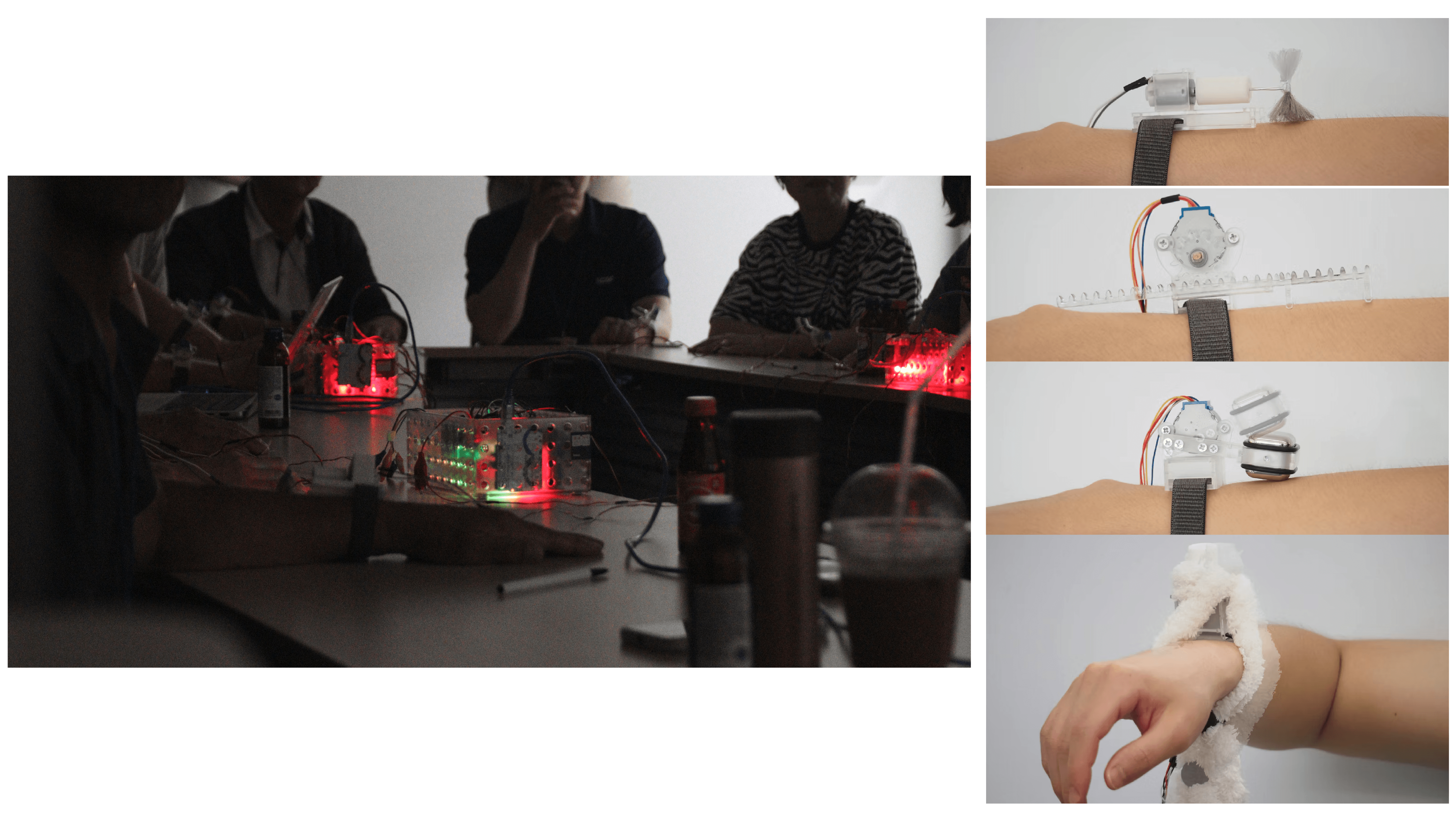
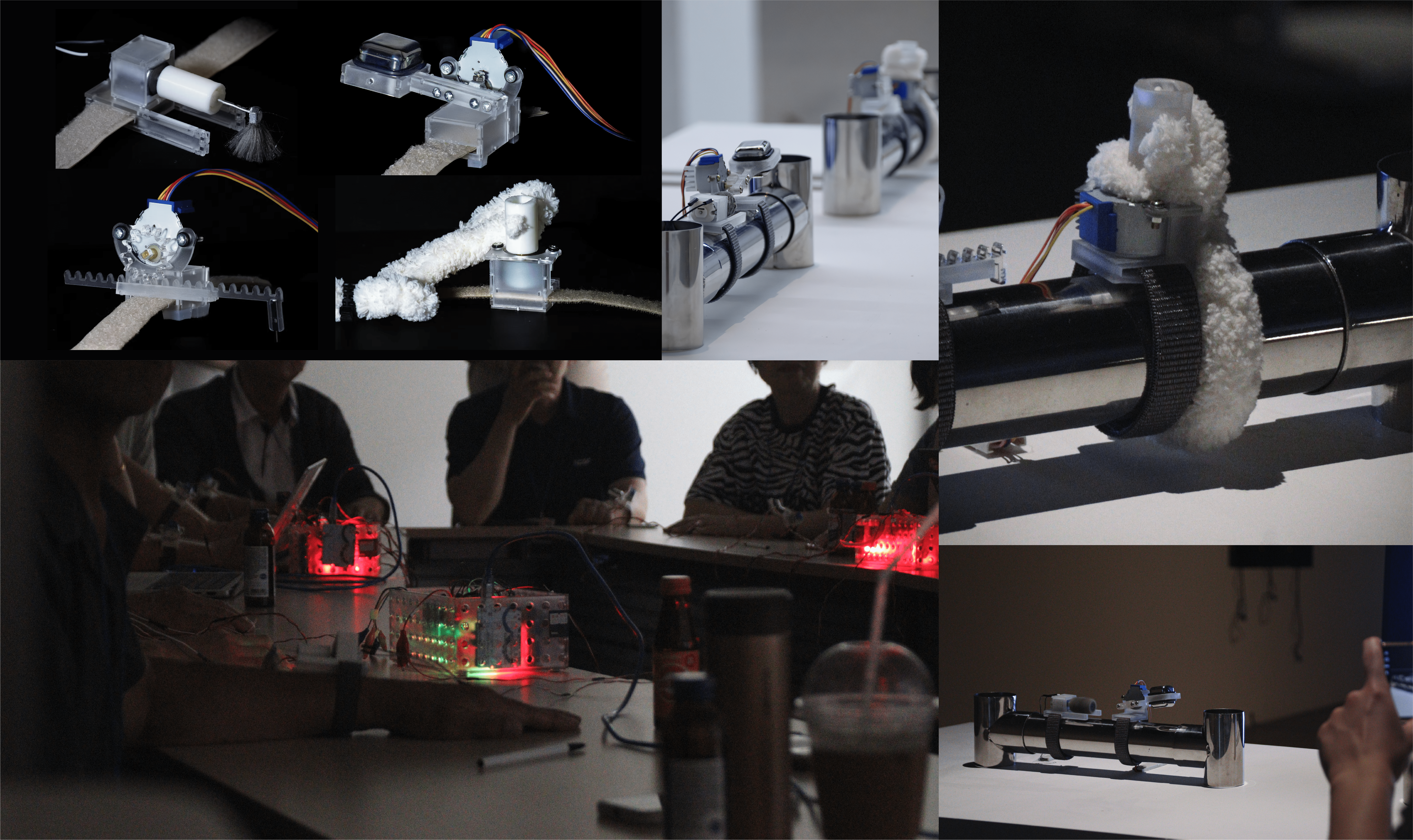
Silent Suspense presents four novel wrist-worn haptic devices (Texture, Locomotion, Temperature, and Pressure) engineered to convey horror film suspense through tactile sensations for Deaf and Hard-of-Hearing (DHH) audiences. A user study involving 12 DHH participants demonstrated that all devices enhanced narrative engagement, with the Texture device performing most effectively in evoking emotional responses. This work expands the design space for cinematic haptics, showing how diverse tactile modalities can significantly improve accessibility and immersion in horror films for DHH viewers.
Full Paper Link 👻
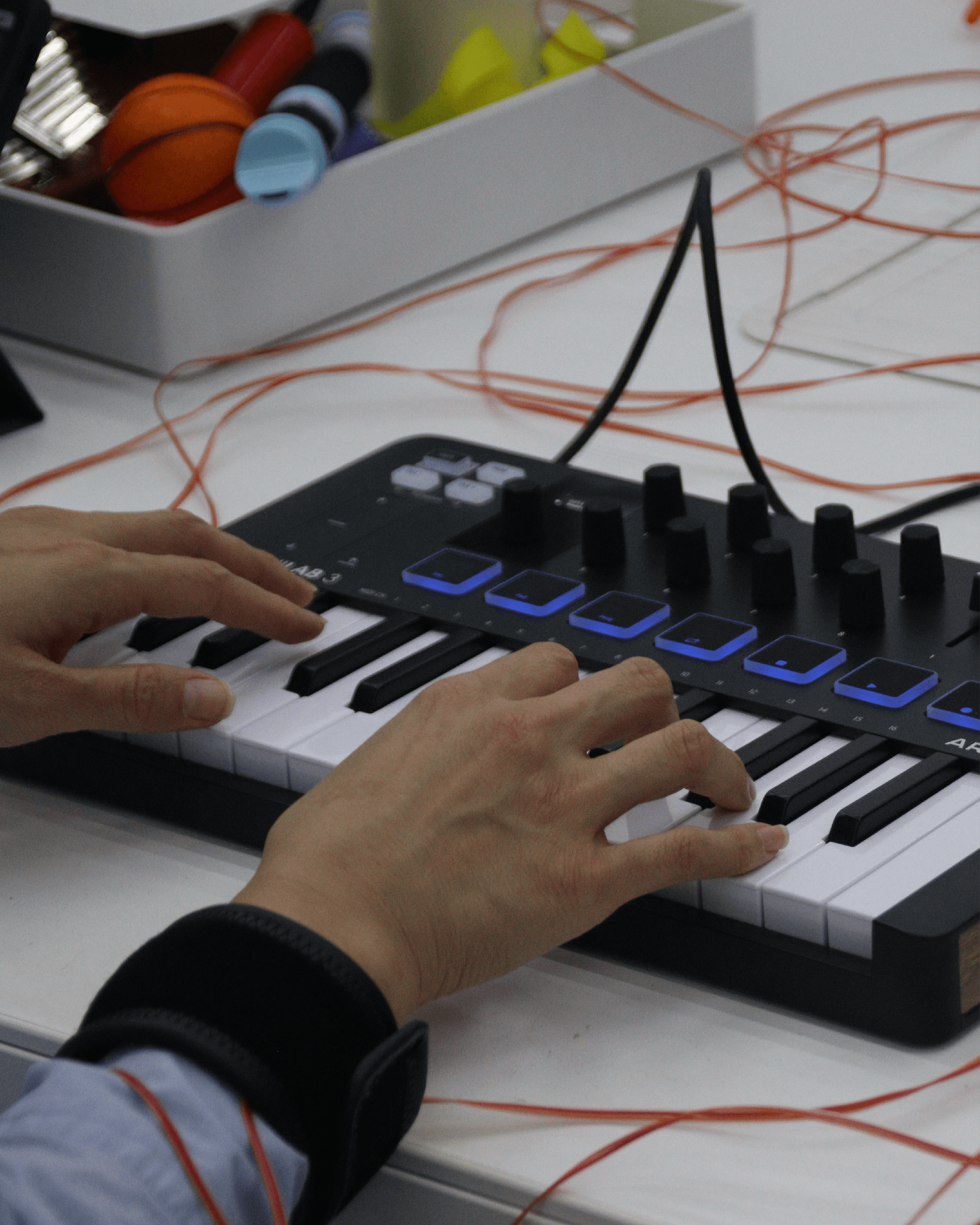
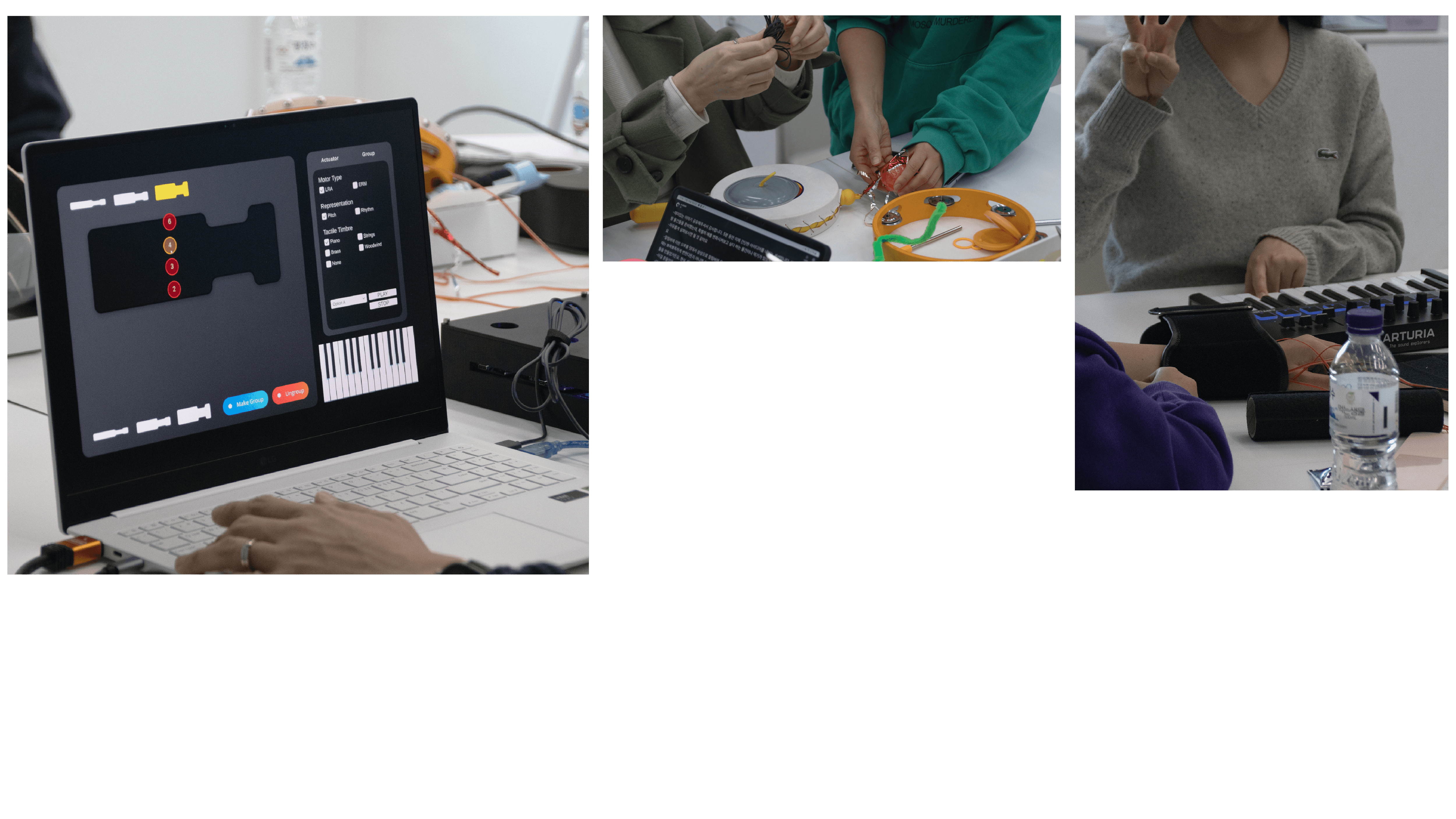
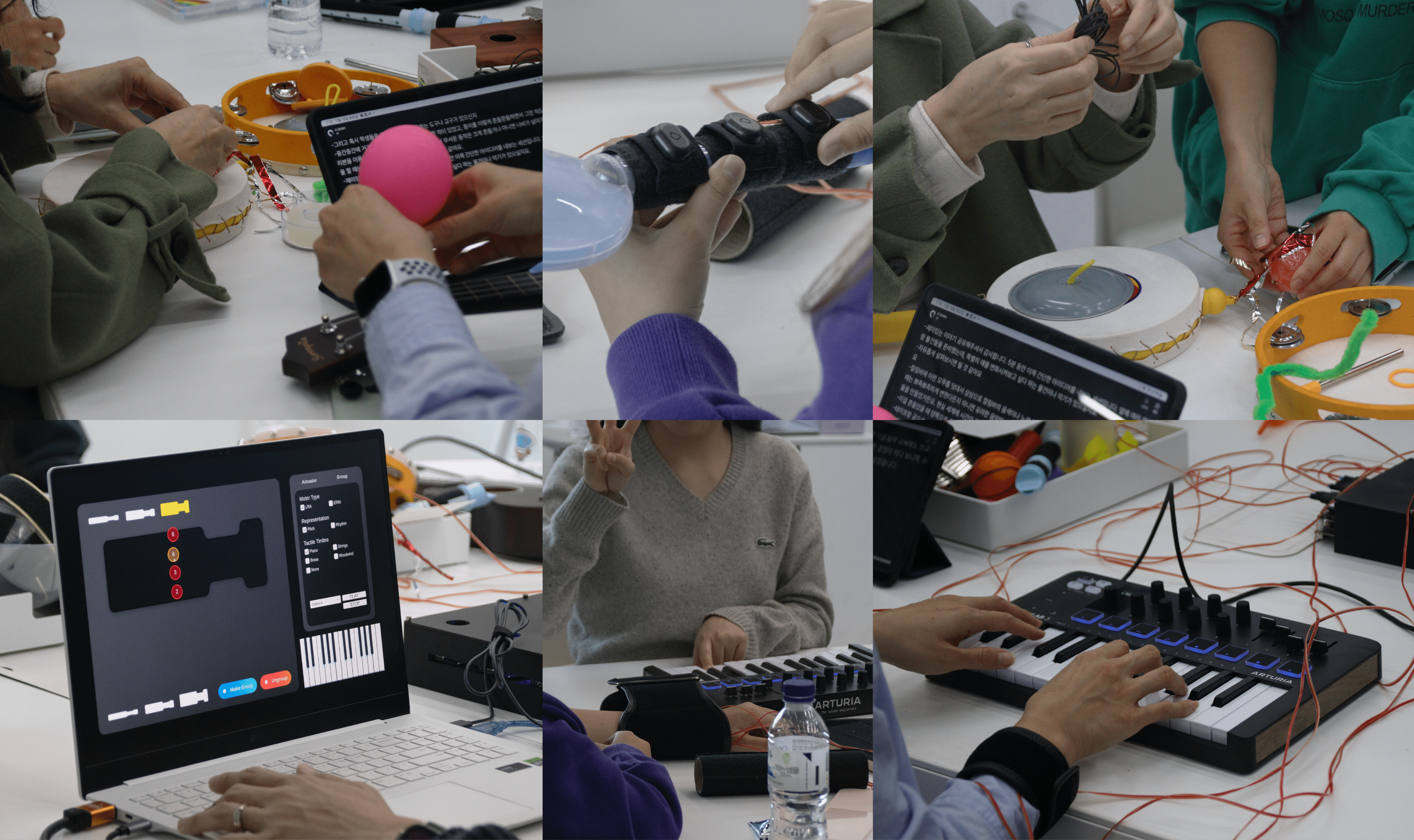
This work introduces a co-design approach for developing haptic cues to enhance music education for Deaf and hard-of-hearing (DHH) learners, addressing challenges posed by limited auditory access. Researchers utilized a novel reconfigurable haptic prototyping system, featuring modular tactors and MIDI-triggered mapping, in co-design workshops with educator-learner dyads to enable hands-on exploration and iteration. Findings indicate that vibrotactile cues can be pedagogically effective, making musical concepts tangible as formative feedback and serving as interpretable, sharable references for inclusive music learning.
Full Paper Link (to be updated) 📄
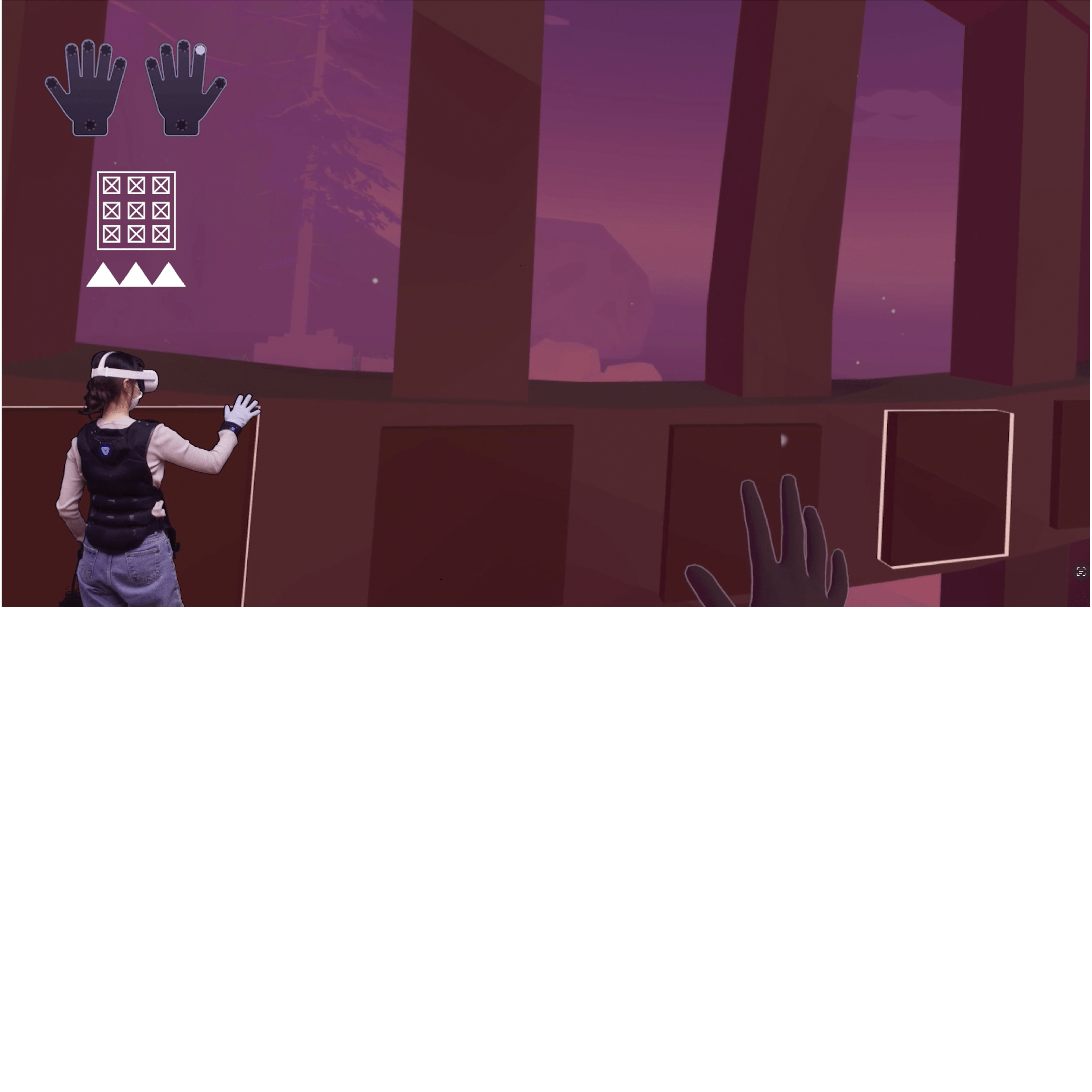
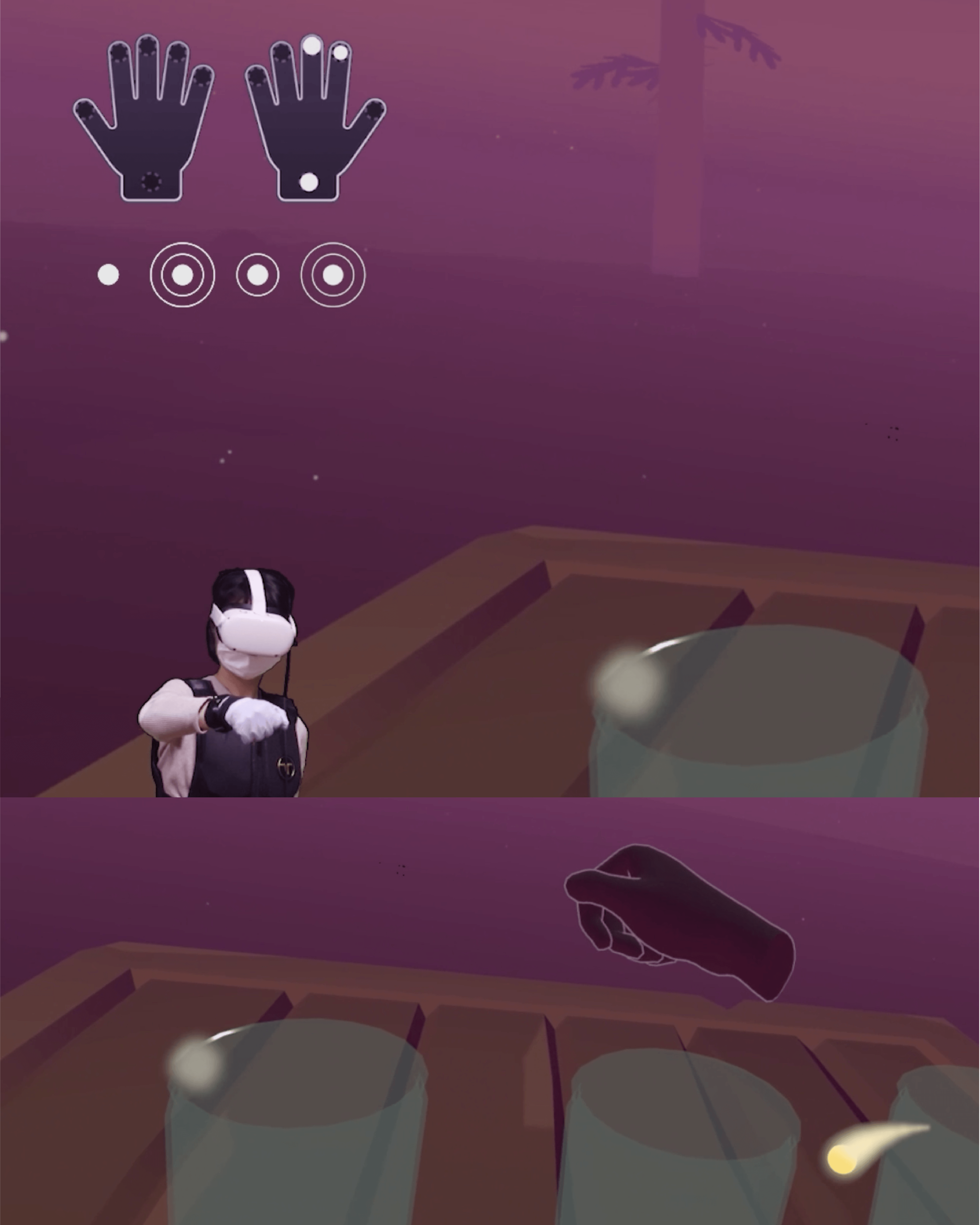
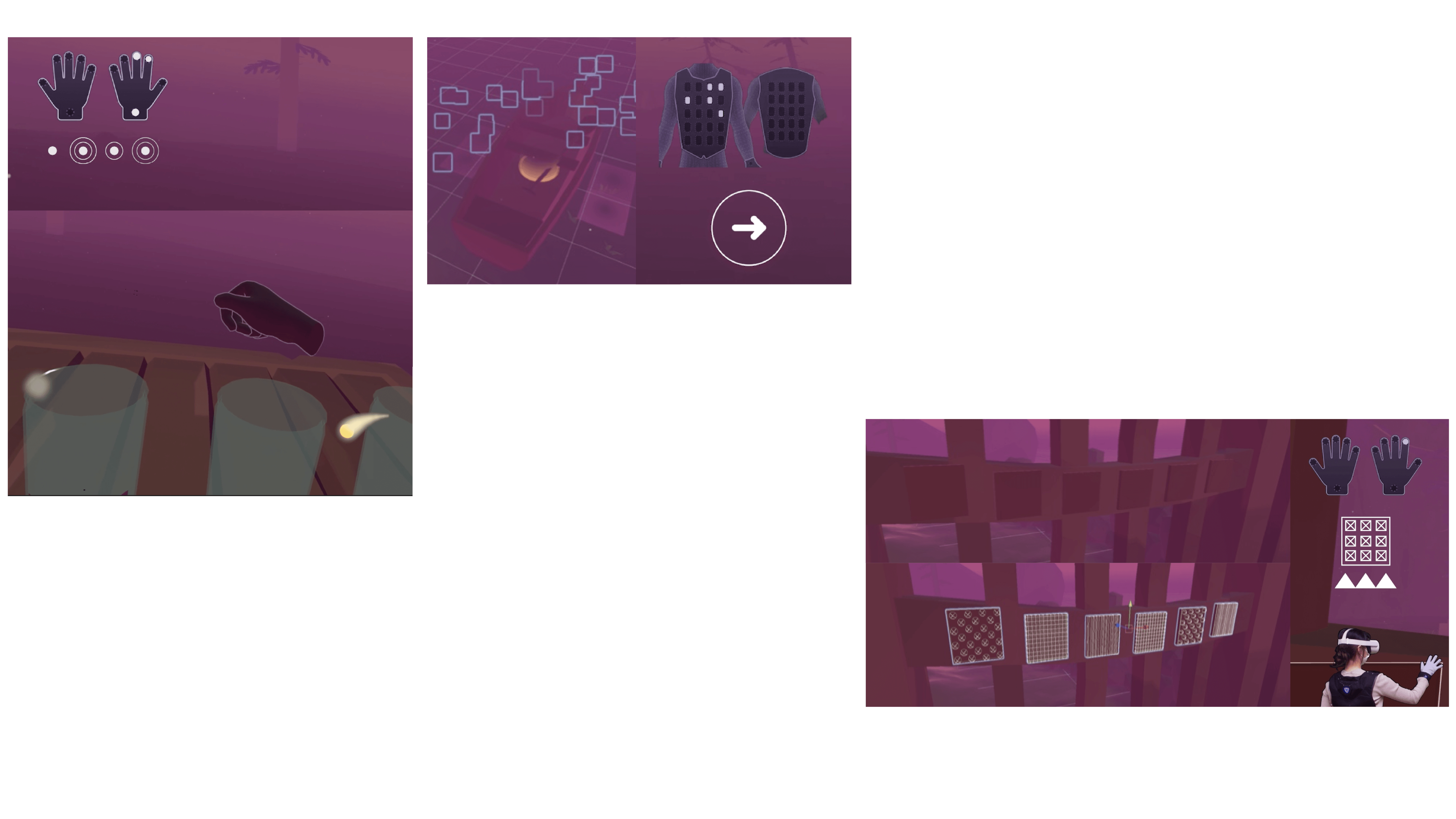
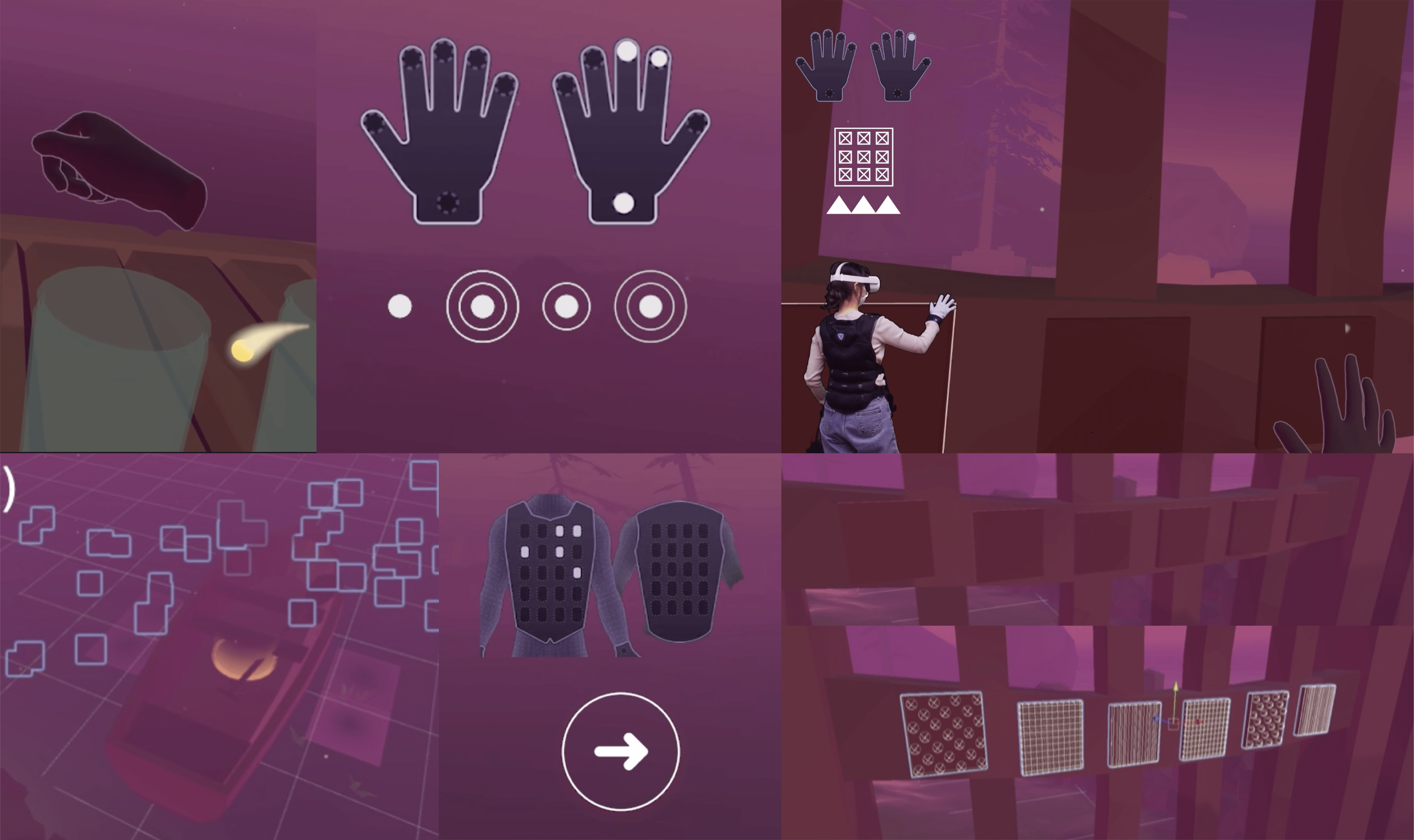
This work introduces "Glow the Buzz," a VR puzzle adventure game designed to investigate the potential of haptic feedback as the primary mode of interaction, moving beyond its traditional supplementary role. The game features three haptic-centric puzzle types—rhythm, texture, and direction—which were refined through iterative playtests to explore how players distinguish diverse tactile stimuli using wearable haptic devices. The research demonstrates that haptic feedback can successfully serve as a core gameplay element, enhancing immersion and enabling problem-solving, and offers insights into effective design for discriminable haptic stimuli.
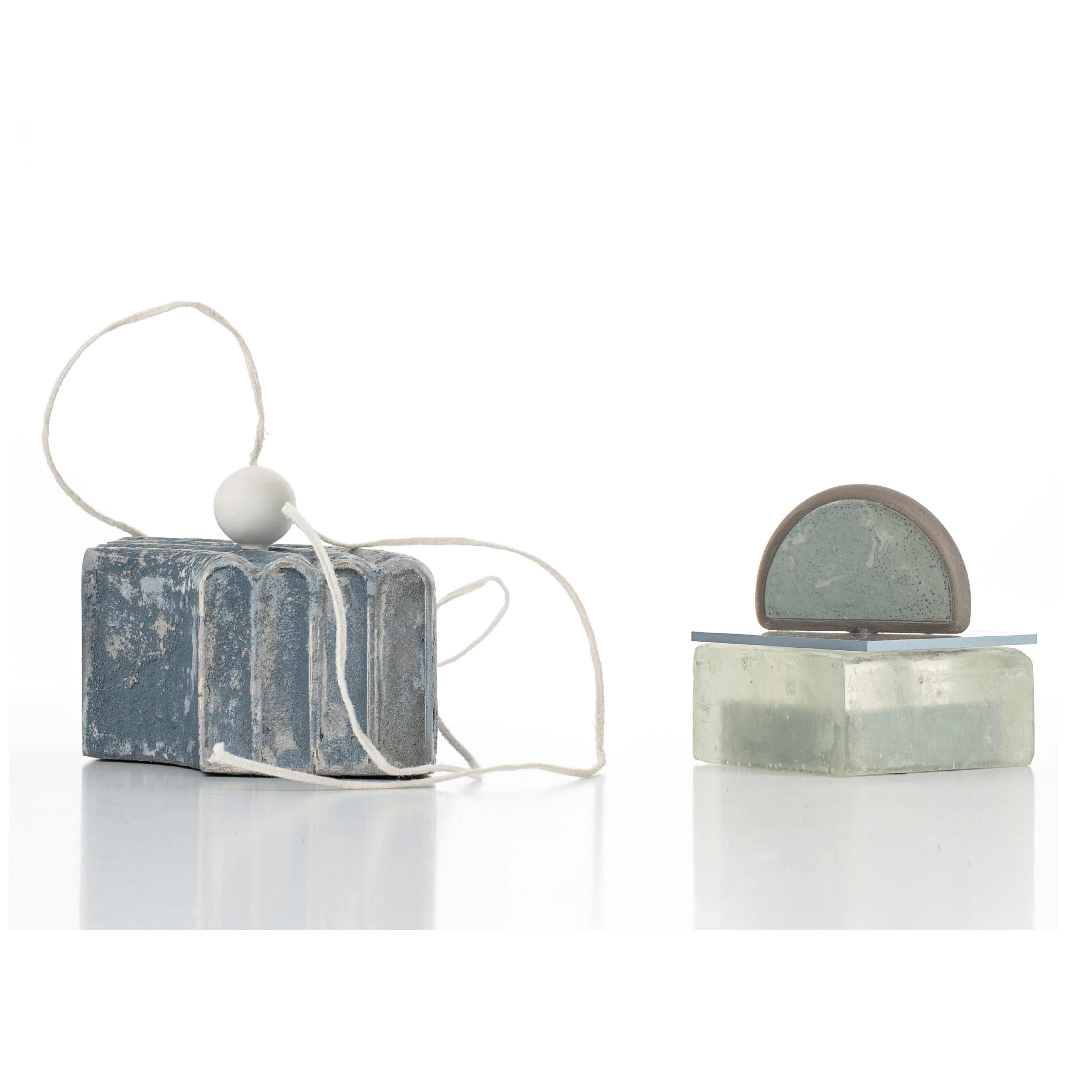
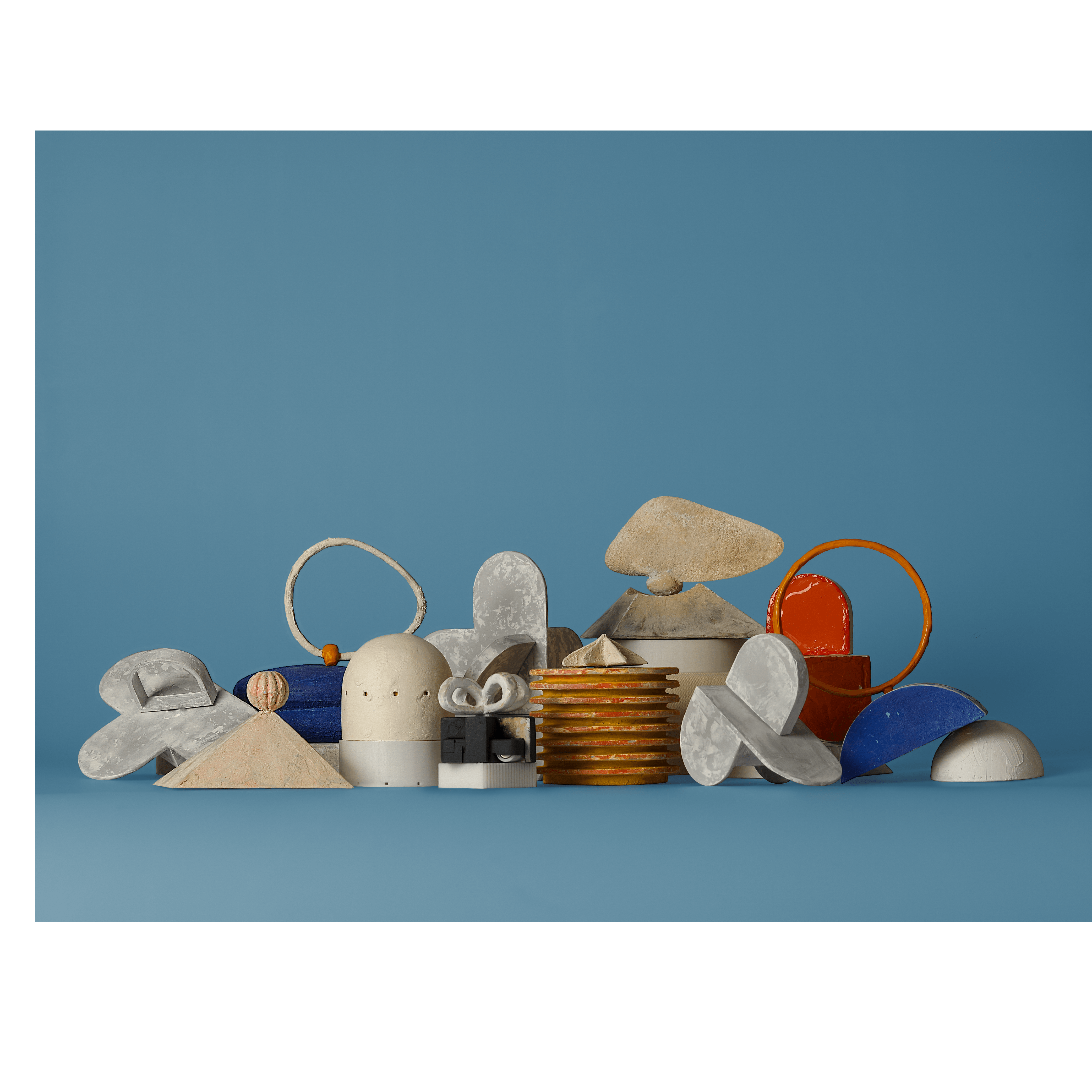
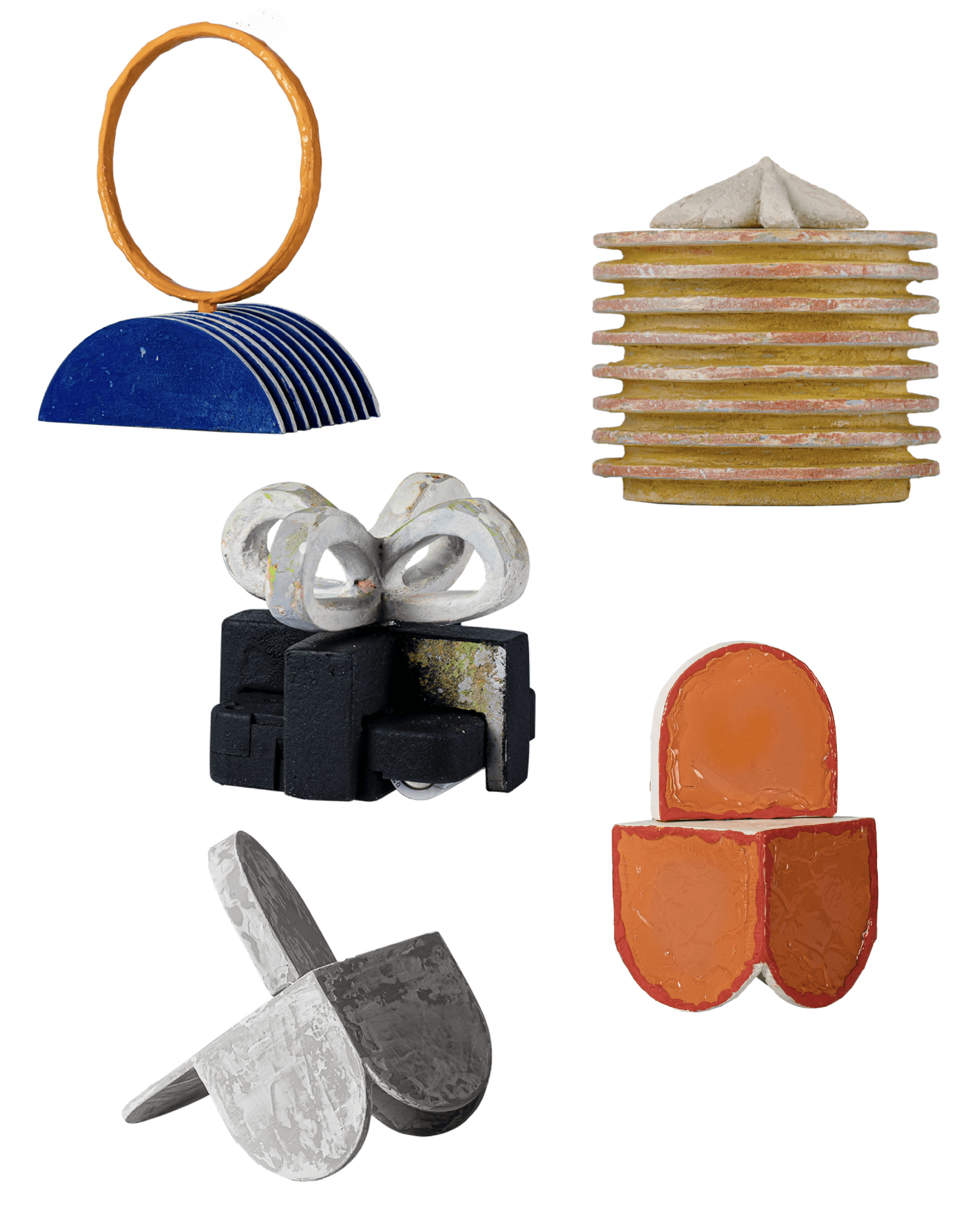
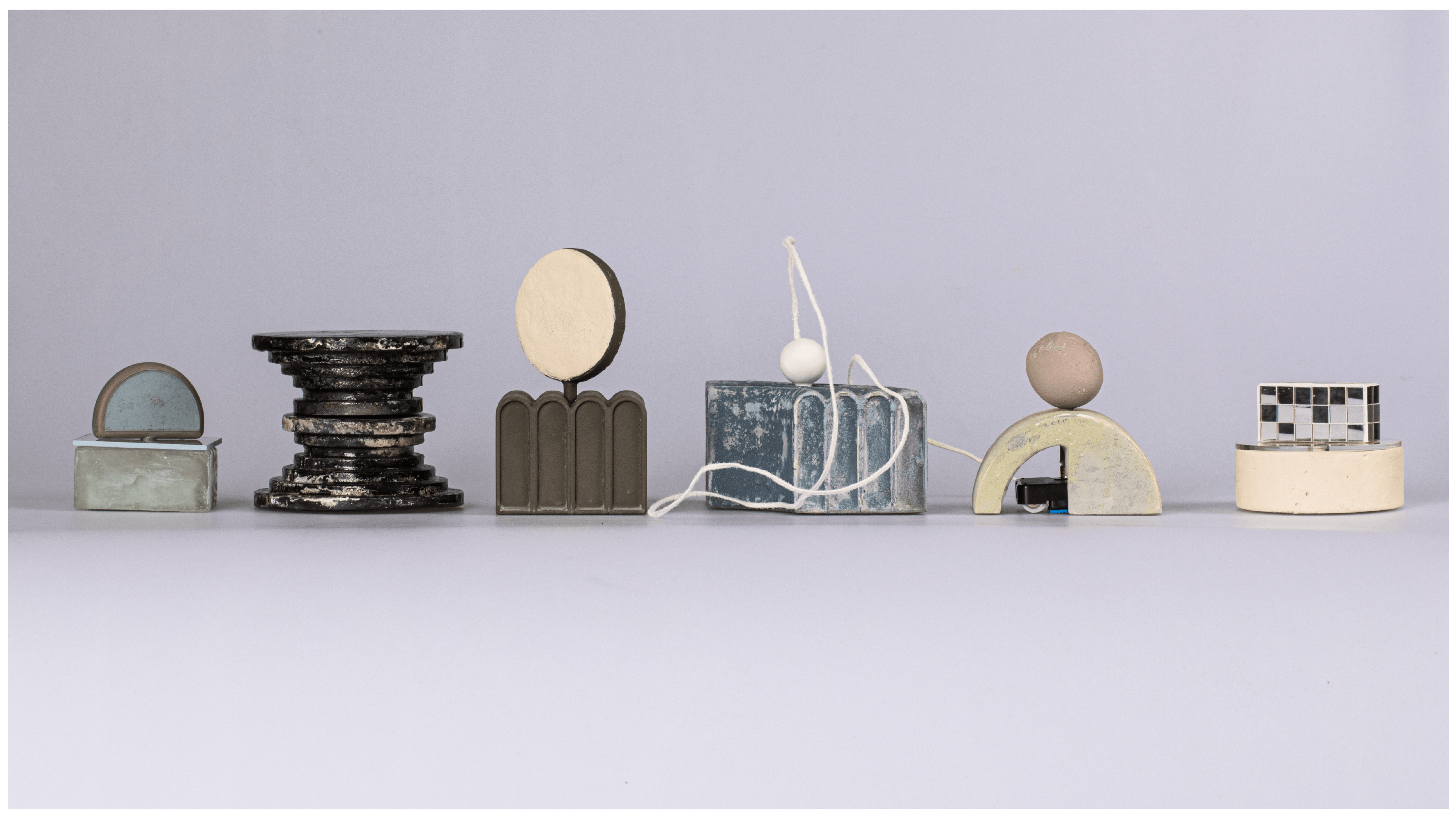
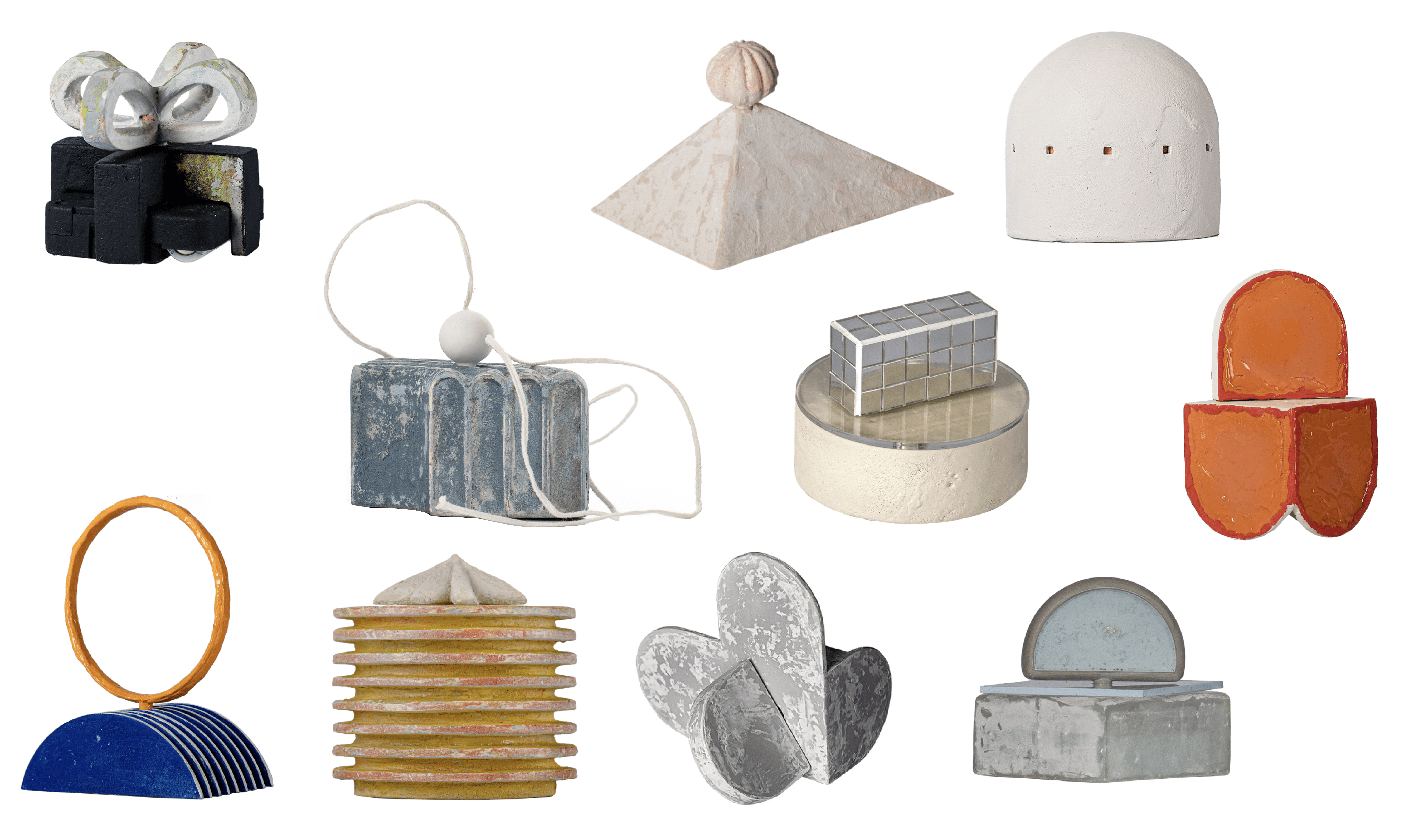
During my time at Studio When, I independently spearheaded the "50000 Clock Projects." What began as a lighthearted joke—"Let's make 50,000 clocks"—evolved into a rigorous exploration of form and materiality. Each "one-in-a-million" piece was handcrafted through daily experimentation, aiming to redefine how we perceive the passage of time in the absence of numbers. The project ultimately reached a broader audience: the pieces were successfully sold at prominent retail shops like CAVA LIFE, 29CM , and Heights Store, , and showcased at various exhibitions including the Seoul Design Festival .
Coming Soon / To be updated ⚠️